
Review · GERMANY AQUARIUMS
SEA LIFE Timmendorfer Strand Ticket
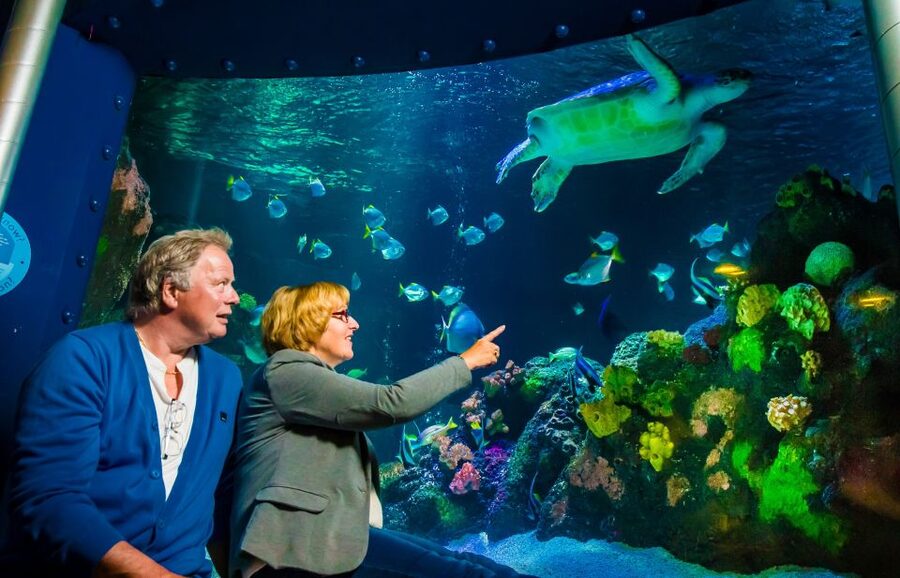
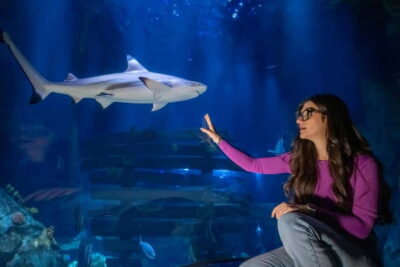
Sharks glide overhead at this Baltic Sea aquarium. SEA LIFE Timmendorfer Strand gives you a compact, family-friendly route through marine life from northern European waters to tropical oceans, with more than 2,500 animals in 12 exhibition areas. I especially like the underwater tunnel, where blacktip reef sharks and a green sea turtle pass above you, and the live feeding sessions, which give the visit a clear rhythm. The main drawback is size: one recent visitor found the aquarium too small, so you should not expect a full-day zoo or a giant national aquarium.
I also like the mix of sea creatures and land-based animals. Boa constrictors, tropical plants, rays, octopuses, clownfish, and seahorses keep the route varied. The aquarium costs about $20 per person, a fair price for a rainy-day family stop or a short break from the beach, though the value depends on how long you like to linger at each tank.
Key points to know before you go
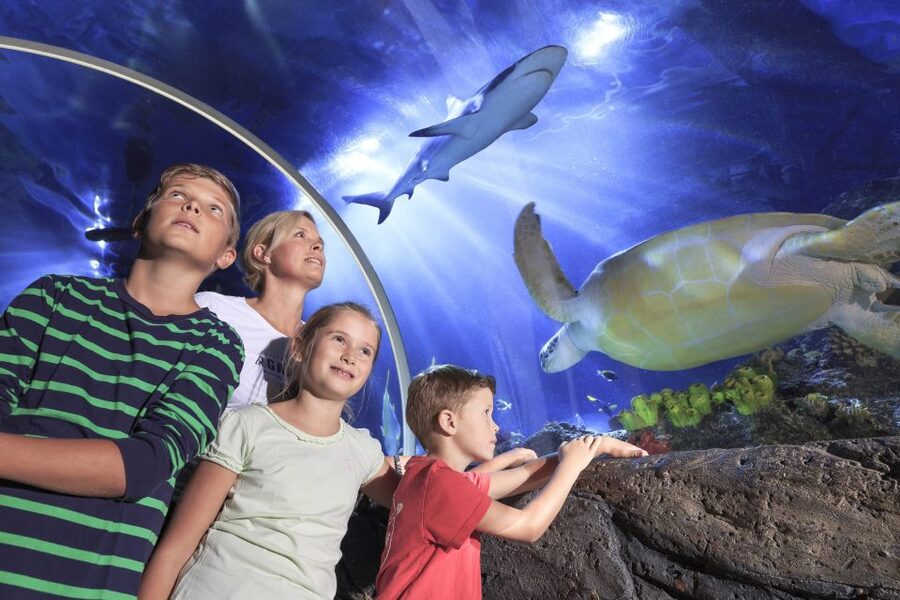
- Sharks and a green sea turtle share the main underwater view: The transparent tunnel brings tropical marine life close without requiring a boat trip or a swim.
- More than 2,500 animals fill 12 exhibition areas: The route covers northern German waters, the North Sea, the Baltic Sea, European coasts, and tropical oceans.
- Several live feedings take place each day: Check the schedule when you arrive so you can plan around the most active moments.
- The rainforest section changes the pace: Tropical plants and a large boa constrictor add reptiles and warmer-climate scenery to the aquarium route.
- The touch pool offers hands-on viewing: It gives you a direct way to encounter selected sea creatures up close.
- The visit is easy to combine with the beach: The aquarium is on the Kurpromenade, near the pier and Curschmann Clinic in Timmendorfer Strand.
A compact aquarium beside the Baltic promenade
SEA LIFE Timmendorfer Strand sits directly by the Baltic Sea at Kurpromenade 5, 23669 Timmendorfer Strand. Its location matters. You can pair the aquarium with time at the beach, a walk toward the pier, or a simple seaside afternoon rather than treating it as a distant day trip.
The attraction presents its route as a journey from the North Sea and Baltic Sea to other European coasts and tropical oceans. That gives the visit more shape than a row of unrelated tanks. You start with a sense of local waters, then move toward warmer habitats and larger tropical species.
The experience lasts for one day, but that means the ticket is valid on your selected date and time, not that you need to stay all day. Last admission is one hour before closing, so a late arrival can cut your visit short. I would plan around the feeding times and arrive with enough room to move slowly through the tanks.
The aquarium is a useful option when the weather turns wet. It also works for families who want a break from sand and wind, though children up to age 14 must enter with an adult.
More Sea Life Centres in Germany:
- Munich: Day Ticket to Sea Life
★ 4.0 · 493 reviews - Oberhausen: SEA LIFE Oberhausen Entry Ticket
★ 4.2 · 470 reviews - Ticket to SEA LIFE Konstanz
★ 4.2 · 259 reviews
From local waters to tropical oceans
The themed exhibition areas are designed to show a broad range of marine habitats. You can expect to see sea creatures connected with the North Sea and Baltic Sea before the route shifts toward tropical ocean life.
That northern focus gives the aquarium a useful sense of place. You are not only looking at famous tropical animals. You also get a closer look at the kinds of underwater environments linked with the coasts of northern Europe, which makes sense for an aquarium in a Baltic resort town.
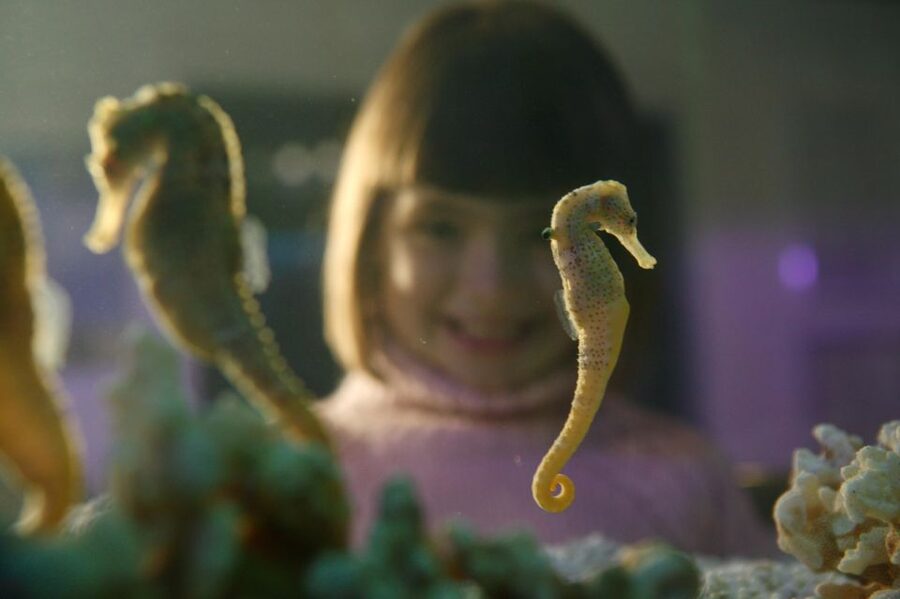
As you move through the route, the species list becomes more varied. Rays bring graceful movement to the tanks, while the octopus adds a quieter, more watchful presence. Clownfish and seahorses offer smaller details that are easy to miss if you hurry.
I recommend slowing down at each display instead of treating the aquarium as a quick photo stop. The appeal comes from the contrast between animals. One tank may reward you with a large moving shape, while the next asks you to look carefully for a small, colorful creature.
The tunnel with sharks and a green sea turtle
The transparent underwater tunnel is the main event for many people. From inside it, you can look up as blacktip reef sharks and a green sea turtle move through the water above your head.
This area gives you the strongest sense of being close to the animals. You are not simply viewing a tank from a distance. The tunnel changes your angle, making the marine life pass overhead and around you.
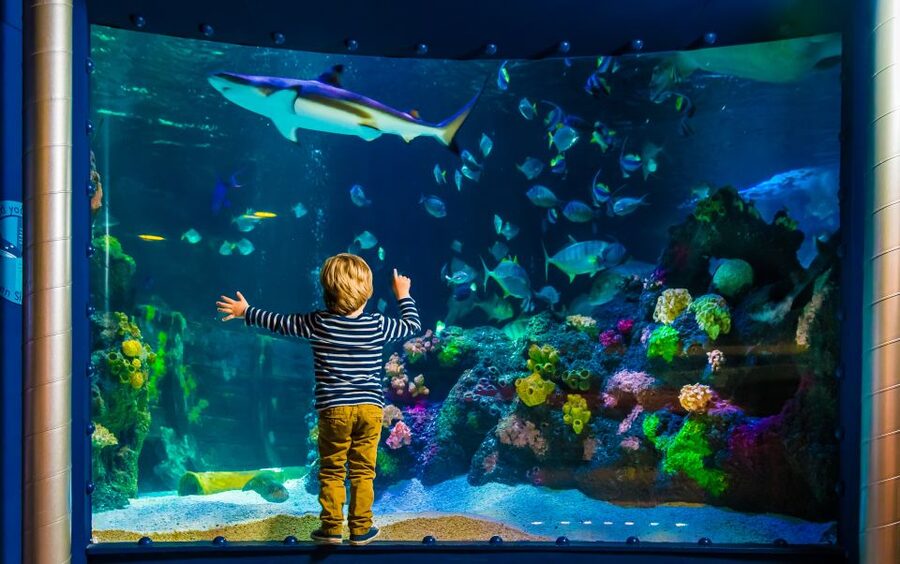
The green sea turtle is a particularly memorable sight because its slow movement contrasts with the sharper motion of the sharks. The combination makes the large tank more interesting than a display focused on a single species.
The same tank also helps explain why this aquarium can appeal to different ages. Younger children can focus on the size and movement of the sharks, while older children and adults may spend more time identifying species and watching how the animals share the space.
One practical point is that the tunnel can become the busiest part of the route. If you want a calmer look, return to it after seeing the other areas. Your ticket is valid for the selected day and time, so you have some flexibility during the visit itself, subject to opening hours.
Rainforest plants, boa constrictors, and a change of pace
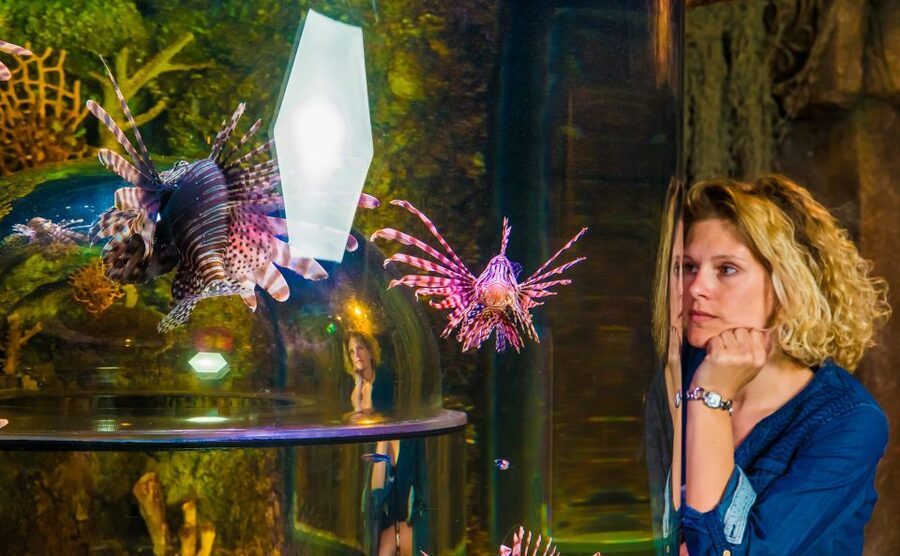
The rainforest area gives your eyes a break from blue water and glass tanks. Tropical plants create a warmer setting, and the large boa constrictor becomes the main attraction.
This section is valuable because it broadens the experience beyond fish. The snake adds a land-based animal with a very different style of movement. It may be still when you pass, so take a moment to inspect the enclosure rather than expecting constant action.
The contrast between rainforest greenery and the marine displays also helps keep the route from feeling repetitive. After several underwater scenes, a large reptile and tropical foliage give you something visually different to focus on.
You may also see other animals connected with tropical habitats in this part of the aquarium. The stated highlights specifically include the boa constrictor and plants, so I would treat this area as a change of setting rather than expect a large reptile house.
A few more aquarium days around Germany worth a look
- Cologne: Cologne Zoo and Aquarium Entry Ticket
★ 4.6 · 764 reviews - SEA LIFE Konstanz Admission Ticket
★ 3.5 · 218 reviews - Oberhausen: LEGOLAND Discovery Centre and SEA LIFE Ticket
★ 4.1 · 171 reviews - Hanover: SEA LIFE Entry Ticket
★ 4.1 · 160 reviews
Feeding sessions are worth planning around
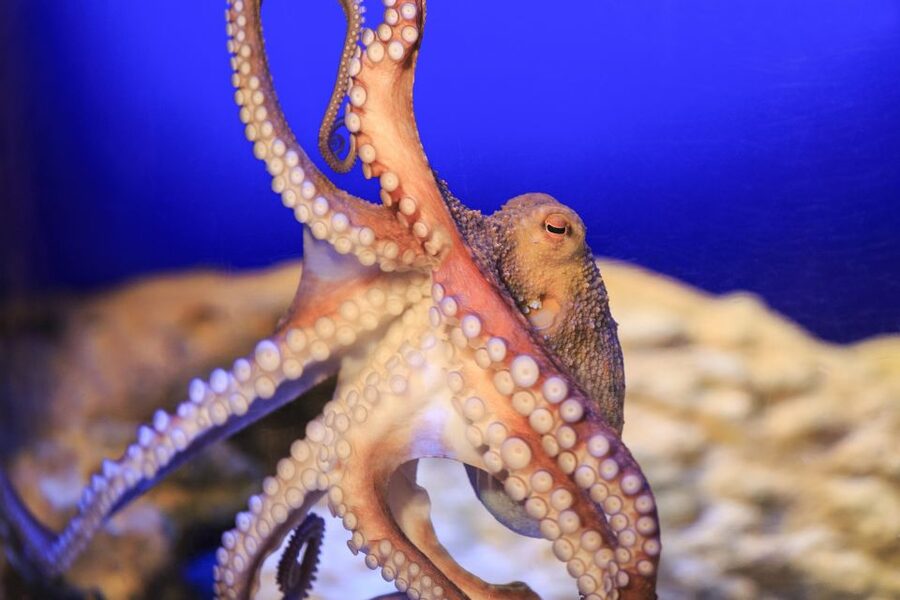
Several live feedings take place each day. These sessions are among the best reasons to check the daily schedule rather than simply arriving and walking through at random.
Feeding time gives you a chance to see more natural movement and activity. Animals that seem quiet in a tank may become much more engaging when food is introduced. The feeding also adds context, since staff can explain what the animals eat and how they behave.
The exact schedule is not provided in the ticket details, so check the times on arrival. Do not assume every feeding happens at the same time each day. If you are visiting with children, build your route around one or two sessions instead of trying to catch everything.
The staff are another useful part of these moments. A recent five-star account praised the team for being friendly and enthusiastic when explaining the animals. That sort of explanation can turn a quick look at a tank into a better understanding of the creatures inside it.
The touch pool offers a closer encounter
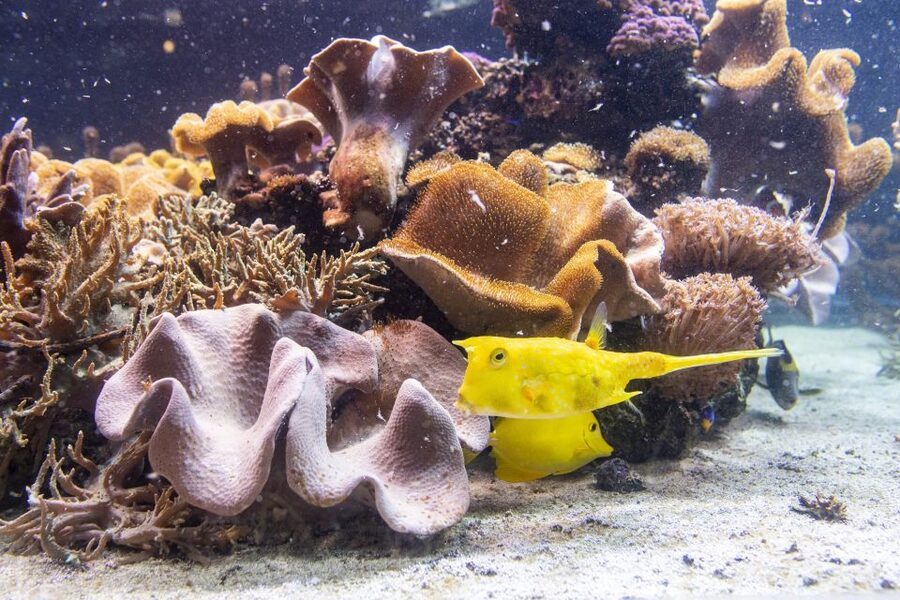
The touch pool is aimed at people who want more than a view through glass. It lets you encounter selected sea creatures up close, giving the visit a hands-on element.
This can be especially useful for children who learn best by doing. It also breaks up the larger tanks and creates a more direct link between you and the animals. Follow the aquarium’s instructions carefully and handle anything only as directed.
The touch pool is not a substitute for the large tunnel. It offers a different kind of experience, focused on close contact rather than size and spectacle. Together, the two areas give you both a dramatic view of large animals and a more immediate look at smaller sea life.
How much time should you allow?
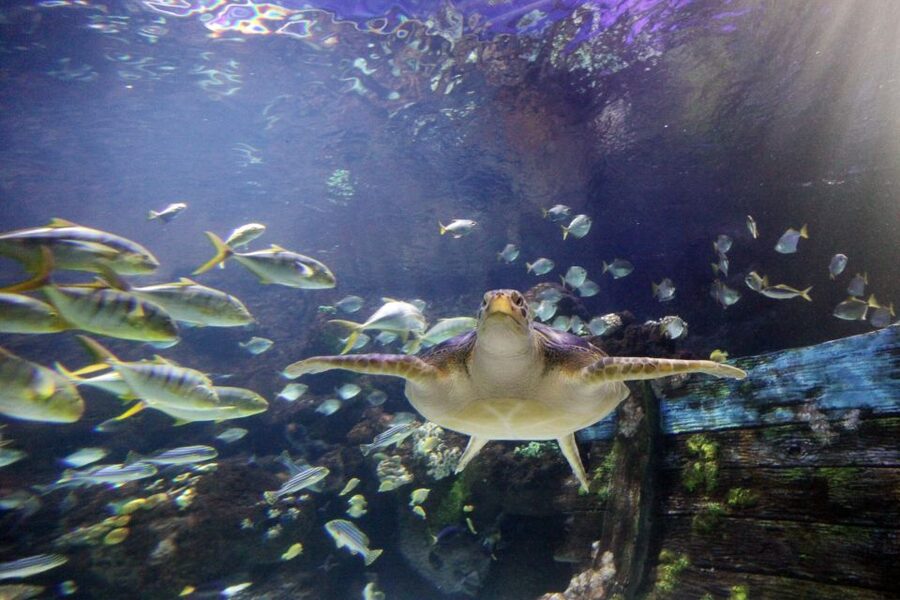
The ticket is valid for one day, but the aquarium can be visited as a short outing. The provided information does not give an official visit length, so your timing will depend on how closely you watch the animals and how many feeding sessions you attend.
If you move quickly, the 12 exhibition areas may feel brief. That is the concern behind the comment that the aquarium was too small. I would not book this expecting a full day of nonstop activity.
If you pause at the tunnel, attend feedings, read the displays, and spend time at the touch pool, the visit becomes more satisfying. Families with young children may also need extra time for the slower pace of looking, waiting, and moving between areas.
The best plan is to combine SEA LIFE with the surrounding resort. See the aquarium, walk toward the pier, and spend time on the Baltic beach. That approach makes the ticket feel like one part of a seaside day rather than the only activity.
Is the $20 ticket good value?
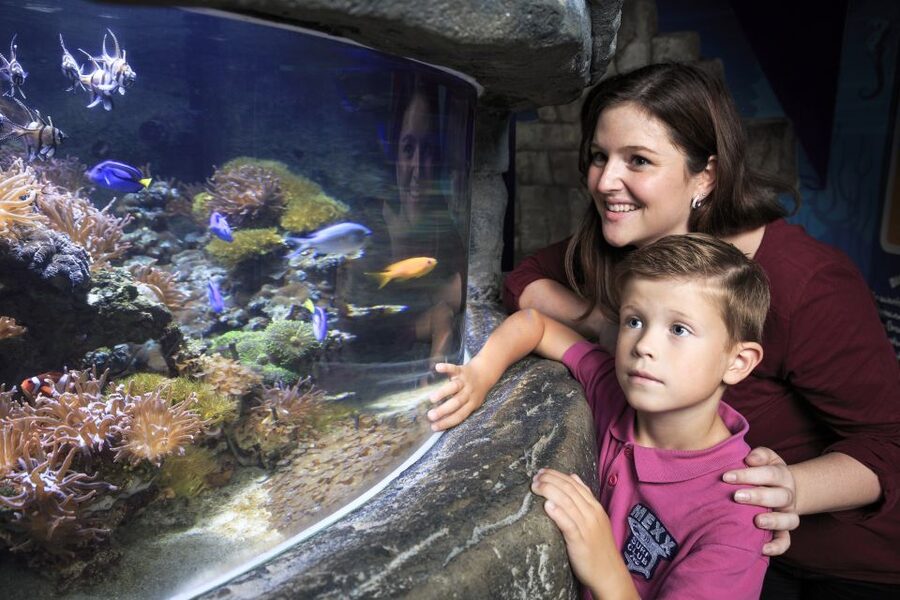
At about $20 per person, the ticket sits in a reasonable range for a dedicated aquarium visit. The price is easiest to justify if you care about marine life, want indoor time on a poor-weather day, or plan to watch feeding sessions.
The value is less certain if you expect a huge aquarium with many hours of content. One visitor described the attraction as too small, and that criticism is worth taking seriously. You should judge the ticket as a compact attraction, not as an all-day institution.
The strongest value comes from the quality of the main experiences: the shark and turtle tank, the feeding sessions, the touch pool, and the variety of 12 themed areas. A friendly staff member who explains the animals can also make the visit feel more worthwhile.
Meals, drinks, and transport are not included. You will need to budget separately for getting to Timmendorfer Strand and for anything you buy during the outing. Since the aquarium is close to the beach and pier, you can avoid turning it into an expensive stand-alone excursion by pairing it with free seaside time.
Getting there from Lübeck or by car
By car, follow the A1 from Hamburg or Lübeck toward Puttgarden and take exit 18 for Timmendorfer Strand. Follow the signs for SEA LIFE P2, the Famila parking area. The aquarium is about 300 meters from that parking area, beside the Curschmann Clinic and the pier.
For navigation, use Höppnerweg as the address. The official meeting address is Kurpromenade 5, but the satnav instruction may help you reach the parking area more easily.
By public transport, trains run hourly from Lübeck main station toward Puttgarden or Neustadt in Holstein. The stated journey takes about 15 minutes, making the aquarium practical for a short trip from Lübeck.
Transport is not part of the ticket, so plan that cost separately. The central location means you can continue on foot once you arrive.
Access, family rules, and what you cannot bring
SEA LIFE provides a wheelchair-accessible route. That makes the attraction a practical choice for visitors who need an accessible tour, though the supplied information does not give further details about individual facilities.
Children up to age 14 must be accompanied by an adult. Pets, smoking, baby strollers, handcarts, and bicycle trailers are not allowed inside.
The rule about strollers matters for families with very young children. You should arrange your day with that restriction in mind, since the aquarium does not permit pushchairs inside for safety reasons.
The attraction also explains that many of its animals are on the red list of threatened species. Some were rescued and cannot return to the wild, while others were born and raised through SEA LIFE conservation projects. That background gives the displays a conservation purpose, though you should still see the aquarium as an educational attraction rather than a replacement for seeing animals in the wild.
Who will enjoy this aquarium most?
I would recommend SEA LIFE Timmendorfer Strand to families, aquarium fans, couples looking for an indoor break, and anyone already spending time on the Baltic coast. The mix of sharks, a sea turtle, rays, a boa constrictor, octopus, clownfish, and seahorses gives you plenty of variety in a compact route.
It is also a good fit for children who like feeding sessions and hands-on displays. The touch pool can make the visit more engaging for young minds, while the large tunnel gives the whole family a shared highlight.
I would be more cautious if you want a large, sprawling attraction that fills an entire day. The aquarium is compact, and the experience may feel short if you move quickly or skip the scheduled activities.
The best version of this outing is simple: arrive on time, check the feeding schedule, take your time with the shark and turtle tank, and then use the beach and pier to extend the day.
Should you book SEA LIFE Timmendorfer Strand?
Book it if you want a well-located aquarium with a strong main tank, regular feeding sessions, and a good mix of marine and rainforest animals. The approximately $20 price is sensible for a short family outing, especially when bad weather makes the beach less appealing.
Skip it if you expect a huge aquarium or need a full day of attractions under one roof. For most people, the smart choice is to treat SEA LIFE as a focused two-part plan: an indoor look at sharks, turtles, and smaller sea life, followed by time along the Baltic shore.
FAQ
Where is SEA LIFE Timmendorfer Strand located?
It is at Kurpromenade 5, 23669 Timmendorfer Strand, beside the Curschmann Clinic and the pier.
How much does admission cost?
The stated price is about $20 per person.
How long is the ticket valid?
The ticket is valid for one day and only on the selected date and time.
What animals can I see?
You can see blacktip reef sharks, a green sea turtle, rays, a boa constrictor, an octopus, clownfish, seahorses, and other sea creatures.
Are there live feeding sessions?
Yes. Several live feedings take place each day. Check the schedule when you arrive.
Is there a touch pool?
Yes. The aquarium includes a touch pool where you can encounter selected sea creatures up close.
Is SEA LIFE Timmendorfer Strand wheelchair accessible?
Yes. The aquarium provides a wheelchair-accessible tour.
Can children visit without an adult?
No. Children up to age 14 must be accompanied by an adult.
Can I bring a stroller or pet?
No. Pets, baby strollers, handcarts, and bicycle trailers are not permitted inside. Smoking is also not allowed.
Just added around Germany
- Timmendorfer Strand: SEA LIFE Behind the Scenes Tour★ 4.9 · 15 reviews
- Combi Ticket: LEGOLAND Discovery Centre & SEA LIFE Oberhausen★ 3.5 · 19 reviews
- Oberhausen: SEA LIFE Ticket and Behind the Scenes Tour★ 4.3 · 29 reviews
- Sea Life Speyer Ticket★ 4.2 · 99 reviews
- SEA LIFE Oberhausen Admission Ticket★ 4.0 · 132 reviews
- SEA LIFE Hannover Ticket★ 4.0 · 96 reviews
- SEA LIFE Speyer Admission Ticket★ 3.5 · 131 reviews
- SEA LIFE Timmendorfer Strand Admission Ticket★ 3.5 · 157 reviews
Germany Aquariums, compared.


Oberhausen: LEGOLAND Discovery Centre and SEA LIFE Ticket
Read our review →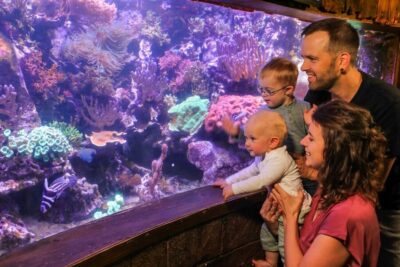
Browse the lists this tour appears in