
Review · NEW ZEALAND AQUARIUMS
Napier: National Aquarium of New Zealand General Admission
Kiwi meet sharks under one roof. Napier’s National Aquarium of New Zealand gives you a clear, self-guided route from the country’s mountains to the sea, with native wildlife, introduced species, and global ocean habitats in one central attraction. I like the mix of New Zealand wildlife and marine life, especially the chance to see brown kiwi, tuatara, little blue penguins, tuna, and eels before reaching the large underwater exhibit. I also like that keeper talks and feeding displays are included in the ticket.
The main consideration is time. The aquarium is open from 9am to 5pm, but the experience is self-guided, so the depth of your visit depends on how long you spend at each exhibit. If you want to catch the talks and feeds, you need to plan around set times rather than simply arrive whenever you please. The $17 price is fair for a full-day ticket, though visitors seeking a large aquarium with many major attractions may find it fairly compact.
Key things to know before you go
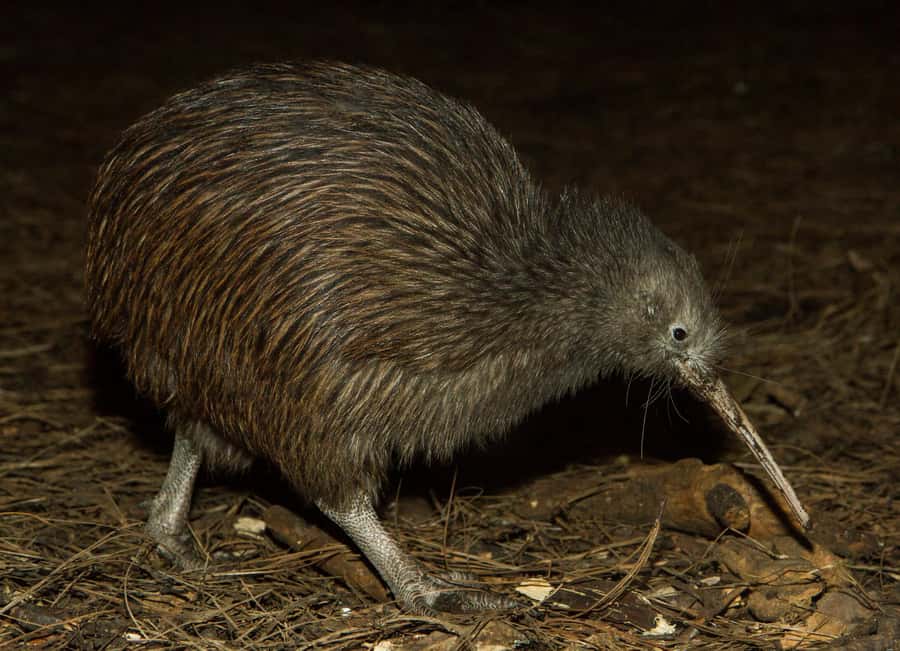
- See New Zealand species first: The route introduces you to brown kiwi, tuatara, tuna, eels, and little blue penguins before reaching the marine exhibits.
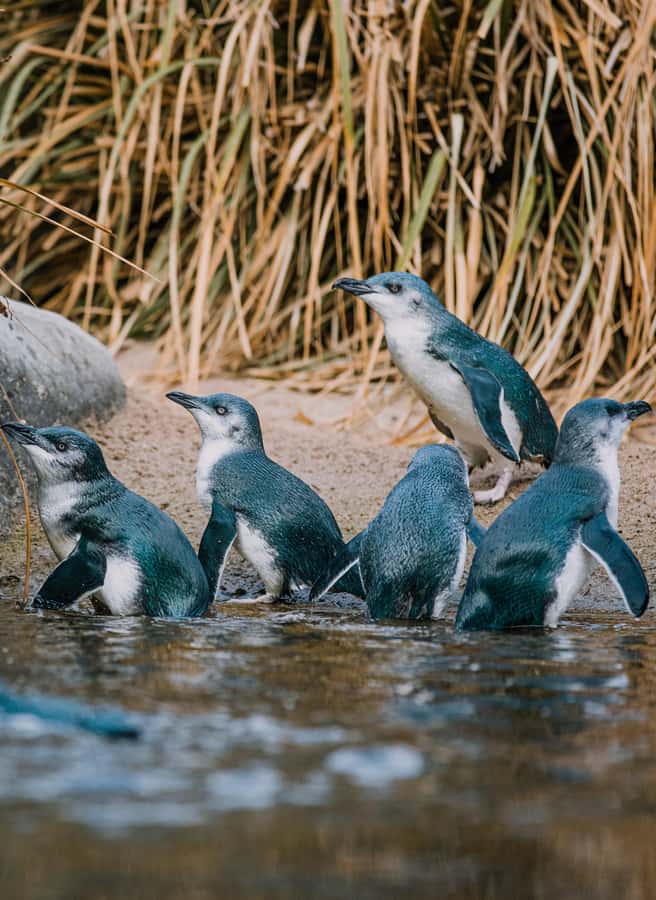
- Save time for Penguin Cove: Little blue penguins are one of the most distinctive parts of the visit, with talks scheduled three times daily.
- The underwater tunnel is the grand finish: Turtles, rays, and other sea life move above and around you in the aquarium’s largest exhibit.
- Plan around feeding times: Fish feeding takes place at 10am and 2pm, while penguin talks are held at 9:30am, 1:30pm, and 3:30pm.
- Good for mixed-age groups: The combination of interactive talks, native animals, and marine displays gives children and adults different ways to stay interested.
- Weather is not a problem: The aquarium is an indoor attraction in central Napier, making it useful on a wet or windy day.
Starting with Aotearoa’s native wildlife
The visit begins with a broad look at New Zealand wildlife, arranged around the idea of moving from mountains to sea. That makes the route easy to follow and gives the aquarium a stronger sense of place than an attraction filled only with imported or tropical species.
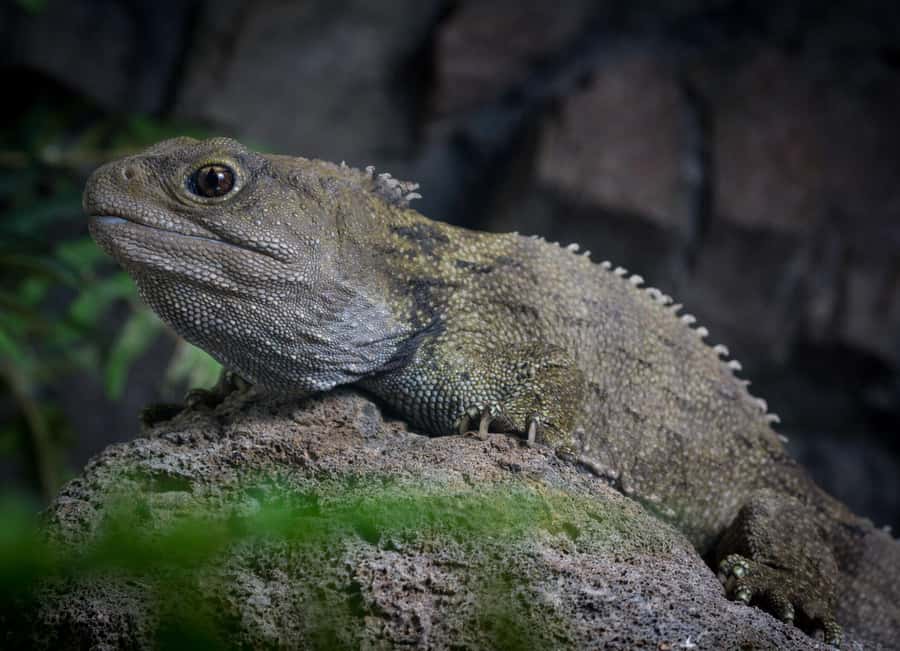
I would pay close attention to the native animals early in the visit. Brown kiwi and tuatara are not ordinary zoo subjects. They help explain what makes New Zealand’s wildlife special, particularly its long isolation and unusual native species. You also see tuna, the local name for freshwater eels, along with other species connected to New Zealand waterways.
The aquarium also includes introduced species. That mix is useful because it reflects the wider story of New Zealand wildlife rather than presenting the country as an untouched natural sanctuary. The conservation message is part of the experience, and the displays connect individual animals with the need to protect habitats and ocean life.
Do not rush this first section simply because the largest tank comes later. The native exhibits provide the local context. Without them, the underwater tunnel would be impressive, but less connected to the place you are visiting.
More Aquarium Entry Tickets in the world:
- Barcelona Aquarium: Entry Ticket
★ 4.4 · 16,717 reviews - Genoa: Aquarium of Genoa Entry Ticket
★ 4.5 · 10,075 reviews - Atlanta: Georgia Aquarium Skip-the-Box-Office Entry Ticket
★ 4.7 · 3,476 reviews
Brown kiwi and tuatara: the local stars
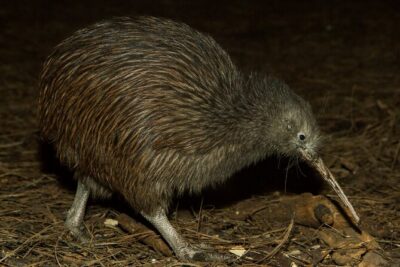
The brown kiwi is one of the animals you most want to see in New Zealand, and the aquarium gives it a place near the start of the route. Kiwi are famously unusual, and seeing one here adds a distinctly New Zealand note to an attraction that later turns toward worldwide marine habitats.
Tuatara are another important stop. They are native to Aotearoa and represent a very different part of the country’s natural story. I like that the aquarium places these land-based animals alongside fish and marine creatures, since it prevents the visit from becoming just another collection of tanks.
You should expect the aquarium to be educational rather than theatrical. The appeal comes from observing the animals, following the conservation message, and taking time with the exhibits. If your children need constant action, the quieter kiwi and tuatara section may require more patience than the feeding displays or underwater tunnel.
Penguin Cove and the daily keeper talks
Penguin Cove brings the visit back to a highly engaging animal encounter. Little blue penguins are the world’s smallest penguins, and their size makes them especially appealing in a family setting. This is one of the areas where timing matters most.
Penguin talks take place at 9:30am, 1:30pm, and 3:30pm daily. I would choose one of these times before entering, particularly if this is your main reason for visiting. The talk gives the animals more context and helps turn a quick viewing stop into a better understanding of their care and behavior.
The 9:30am session can work well if you arrive soon after opening. The 1:30pm talk suits a midday visit, while the 3:30pm option gives you a final scheduled activity before closing at 5pm. Since the experience is self-guided, you can build the rest of your visit around the talk instead of being moved along by a fixed group itinerary.
Fish feeding at 10am and 2pm
Fish feeding times are scheduled for 10am and 2pm. These displays add movement and purpose to the tanks, and they are a good choice if you want more than a quiet look at marine life.
I recommend checking the feeding time before you begin, then working through the earlier exhibits at a comfortable pace. The 10am feeding lets you start with the native displays and reach the marine section soon after opening. The 2pm feeding works well if you prefer to arrive later and spend the morning elsewhere in Napier.
The feeding display also supports the conservation message. It shows how aquatic animals are cared for and gives keepers a chance to explain their needs. This is a small but useful difference between simply seeing an animal and understanding something about its daily life.
A few more aquarium days around the world worth a look
- Dubai: Aquarium and Underwater Zoo Experience
★ 4.2 · 4,872 reviews - Atlantis Aquaventure Ticket (with options for Aquarium), Dubai
★ 4.5 · 4,679 reviews - London: SEA LIFE Entry Ticket
★ 4.4 · 3,428 reviews - Mallorca: Palma Aquarium Entry Ticket w/ Optional 3D Cinema
★ 4.5 · 3,076 reviews
The underwater tunnel and largest exhibit
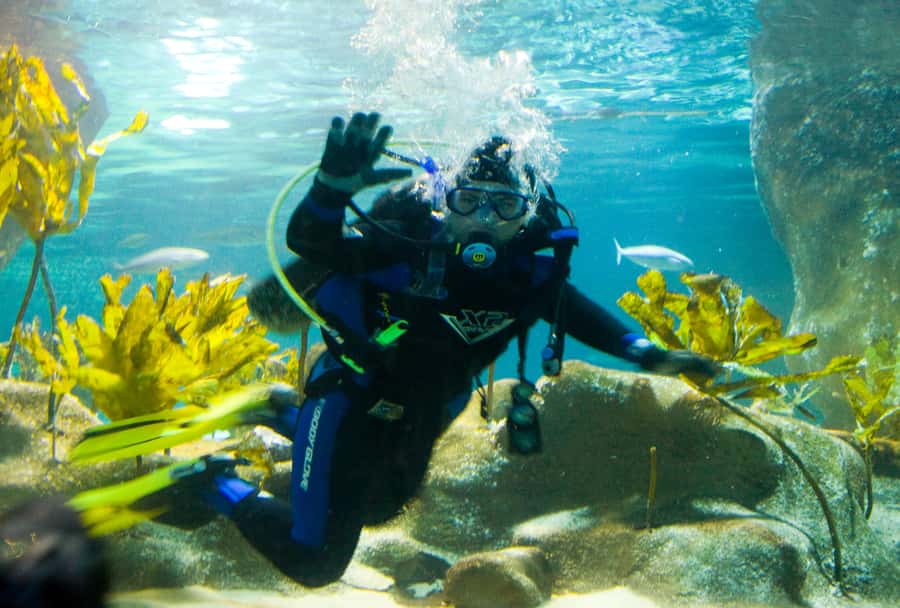
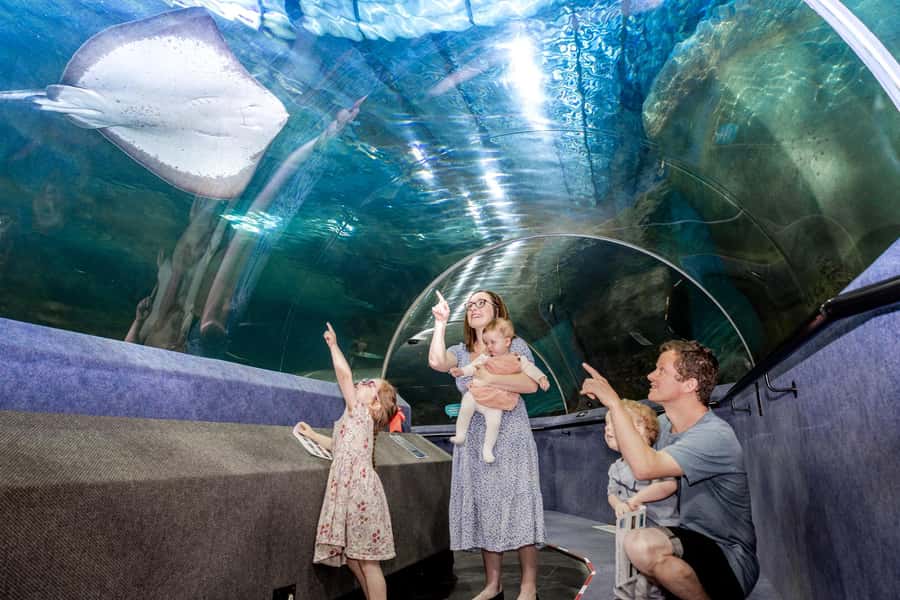
The biggest visual moment comes near the end, under the sea. The underwater tunnel places you below turtles, rays, and other marine life, giving you a different view than the usual front-facing aquarium window.
I like this as the final stage of the route because the aquarium gradually builds from local land species to freshwater animals, penguins, reef fish, sharks, and larger marine habitats. The tunnel feels like a natural finish rather than an attraction placed randomly in the middle.
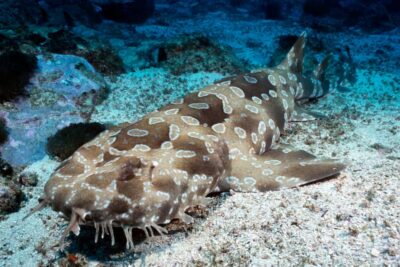
You can expect to see more than 100 marine species across the aquarium, including reef fish and native New Zealand sharks. Stingrays glide through the water, and the tunnel gives you time to watch their movement from below. Turtles and rays overhead provide the most memorable visual detail, especially for children.
The tunnel is also where the aquarium’s scale becomes clearest. It is described as the largest exhibit, so you should allow extra time here instead of treating it as a passage to the exit. Watch for the animals’ movement above you, then return to displays that caught your attention earlier.
How much time should you allow?
The ticket is valid for one day, and the aquarium is open seven days a week from 9am to 5pm. That gives you plenty of flexibility, especially if you want to match your visit with a penguin talk or fish feeding.
The supplied details do not set a required visit length. You can make it a short stop or use the full day, depending on your interest in the displays. I would treat it as a flexible half-day or longer attraction rather than assume you need to stay from opening until closing.
A full day may suit families who want to move slowly, attend more than one talk, and revisit favorite exhibits. A shorter visit may be enough if you mainly want the kiwi, penguins, and underwater tunnel. The self-guided format lets you choose, but it also means you need to manage your own timing.
What the $17 ticket delivers
At $17 per person, the admission offers solid value for a central Napier attraction that can fill a morning or more. The ticket includes all-day entry, keeper talks, and feeding displays, so you are not paying extra for the scheduled educational parts.
The strongest value comes from the variety. You are not seeing only marine tanks. The ticket covers native land animals, freshwater species, penguins, reef fish, sharks, turtles, rays, and other ocean life. That range makes the aquarium easier to recommend to families with different interests.
The price is less compelling if you expect a huge, theme-park-style aquarium with constant performances or a long guided tour. This is a self-guided experience, and its quality depends on your willingness to stop, read, watch, and follow the conservation ideas. Still, the combination of local wildlife and marine displays gives it more substance than a quick collection of fish tanks.
Who will enjoy this aquarium most?
I would recommend it most to families, wildlife enthusiasts, and anyone with a free morning or afternoon in Napier. Children get penguins, sharks, turtles, rays, and feeding displays, while adults can focus on native species and conservation.
It also suits visitors who want a weather-proof activity. Since the aquarium is indoors and centrally located in Napier, it can provide a useful change of pace when outdoor plans are less appealing.
The experience is less suited to someone looking only for a highly guided tour. There is no fixed group itinerary described here. You guide yourself, then choose the talks and feeds that fit your schedule.
The aquarium is wheelchair accessible, which makes it a practical option for more visitors. If you need the most convenient timing, reserve a date that allows you to attend at least one keeper talk or feeding display rather than trying to squeeze through quickly.
Booking, timing, and cancellation advice
You can reserve now and pay later, which helps if your New Zealand plans are still shifting. The ticket is valid for one day, and availability should be checked for the starting time connected with your booking.
Free cancellation is available up to 24 hours in advance for a full refund. That gives you some protection if your Napier plans change, but you still need to cancel within the stated period.
For the best use of the day, arrive with one target time in mind. A morning arrival lets you catch the 9:30am penguin talk and 10am fish feeding. An afternoon visit can be built around the 1:30pm or 3:30pm penguin talk and the 2pm fish feeding.
Should you book the National Aquarium of New Zealand?
I would book it if you want a reasonably priced, family-friendly attraction that combines New Zealand wildlife with marine life. The brown kiwi, tuatara, little blue penguins, and underwater tunnel give the visit a clear sense of variety, while the keeper talks and feeding displays add useful structure.
I would be more cautious if you have very little time in Napier or want a long, guided experience. In that case, choose your priorities before arriving and head straight for the talk, feeding display, or exhibits you most want to see.
For most visitors, the $17 admission is a fair buy. You get a full-day ticket, central access, indoor viewing, and a route that moves from native species to turtles, rays, reef fish, and sharks. Plan around the daily times, and the aquarium becomes an easy, worthwhile stop rather than a rushed walk through tanks.
FAQ
Where is the National Aquarium of New Zealand?
The aquarium is in central Napier on New Zealand’s North Island.
How much does general admission cost?
The listed price is $17 per person.
How long is the ticket valid?
The admission ticket is valid for one day.
What are the opening hours?
The aquarium is open seven days a week from 9am to 5pm.
What animals can I see?
You can see brown kiwi, tuatara, little blue penguins, tuna, eels, reef fish, native New Zealand sharks, turtles, stingrays, and other marine species.
When are the fish feeding displays?
Fish feeding displays take place daily at 10am and 2pm.
When are the penguin talks?
Penguin talks take place daily at 9:30am, 1:30pm, and 3:30pm.
Is the aquarium wheelchair accessible?
Yes. The National Aquarium of New Zealand is wheelchair accessible.
Just added around the world
- Zanzibar: Nungwi Mnarani Aquarium Feed and Swim with Turtles★ 3.0 · 3 reviews
- ZANZIBAR: Mnemba Island Snorkeling & Turtle Aquarium Tour★ 5.0 · 3 reviews
- ZANZIBAR: Mnemba island, Baraka aquarium and spice farm★ 5.0 · 3 reviews
- Veracruz: Panoramic Sightseeing City Tour and Aquarium★ 3.7 · 3 reviews
- Zanzibar: Horseback Riding and Turtle Aquarium Visit★ 4.3 · 4 reviews
- Zanzibar: Jozani Forest, Kuza Cave & Salaam Cave Aquarium★ 4.1 · 6 reviews
- Private Mnemba Island and Turtle Aquarium Tour★ 5.0 · 3 reviews
- Full Day Private Mnemba Island + Turtles Aquarium & Kendwa Beach★ 4.0 · 6 reviews
New Zealand Aquariums, compared.
Sea Life Kelly Tarlton’s Aquarium General Admission
Read our review →
National Aquarium of New Zealand in Napier General Admission
Read our review →
Private Tour: Auckland City, Aquarium, Sky Tower, Mt Eden & Wētā
Read our review →Browse the lists this tour appears in