
Review · AQUARIUM ENTRY TICKETS
National Aquarium of New Zealand in Napier General Admission
Start with a kiwi, finish beneath the sea. The National Aquarium of New Zealand gives you a compact route from mountain waterways to the ocean, with native tuna, tuatara, a brown kiwi, penguins, stingrays, and large marine exhibits. I like the clear self-guided format and the chance to see feeding sessions at 10am and 2pm. The main drawback is timing: at 30 minutes to 1.5 hours, the visit may feel brief if you expect a full-day attraction.
At $18.31 per person, this is a reasonably priced Napier stop, especially for families, cruise passengers, and anyone with a spare hour. I also like that you can move at your own pace rather than follow a fixed group. Just keep your expectations in check: the aquarium offers a focused visit, not a huge theme park.
Key points to know before you go
- The route moves from mountains to sea, introducing you to land and freshwater species before the main ocean exhibit.
- A brown kiwi and tuatara are key highlights, giving you a chance to see two distinctive animals of Aotearoa.
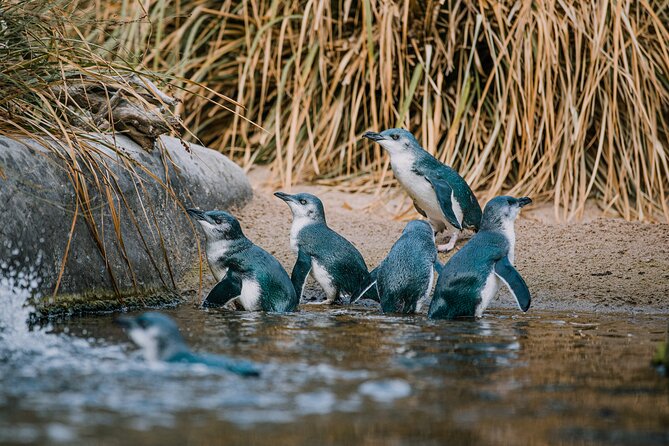
- Feeding sessions take place at 10am and 2pm daily, including fish feeding and, according to visitor experience, little penguins.
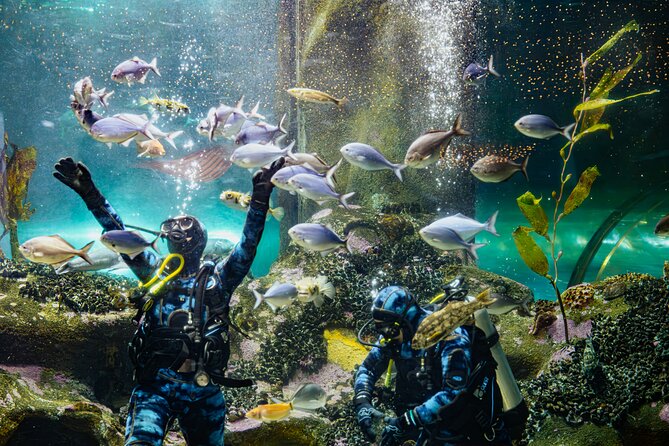
- The largest exhibit comes at the end, where stingrays and other sea life move through the water around you.
- You can spend 30 minutes to 1.5 hours here, depending on how closely you watch the animals.
- Entry is open seven days a week from 9am to 5pm, with mobile tickets accepted.
From mountain streams to the Napier seafront
The National Aquarium of New Zealand is designed as a journey through connected environments. You begin with exhibits linked to the mountains and inland waterways, then move through native and introduced species before reaching the ocean displays.
That order gives the visit a useful sense of place. You are not simply walking past unrelated tanks. The route shows how water moves from higher ground toward the coast, and how animal life changes along the way.
I like this approach because it gives a short visit some structure. Even if you have only half an hour, you can follow the basic story without needing a guide or a long explanation. If you have 90 minutes, you can slow down and spend more time watching animal behavior.
The experience is self-guided, so you set the pace. That works well for families, since you can linger when children are interested and move on when attention starts to fade. It also suits independent visitors who prefer not to be tied to a group.
The aquarium is open every day from 9am to 5pm. That broad schedule makes it easy to fit around a day in Napier, though the feeding times may be the most useful reason to plan your visit carefully.
More Aquarium Entry Tickets in the world:
- Barcelona Aquarium: Entry Ticket
★ 4.4 · 16,717 reviews - Genoa: Aquarium of Genoa Entry Ticket
★ 4.5 · 10,075 reviews - Atlanta: Georgia Aquarium Skip-the-Box-Office Entry Ticket
★ 4.7 · 3,476 reviews
Native tuna, introduced species, and a sense of place
One of the early sections introduces you to species found in New Zealand, including native tuna, or eels. The word tuna can cause confusion for visitors, since in New Zealand it refers to eels rather than the ocean fish many people know by that name.
This part of the aquarium helps you see that New Zealand wildlife is not limited to famous birds. Freshwater animals are also important to the country’s natural story. The native tuna gives you a chance to look closely at an animal that can be easy to miss in the wild.
You will also see introduced species. That adds useful context, since New Zealand’s animal life includes both native creatures and species brought from elsewhere. The contrast makes the displays more informative than a simple collection of colorful fish.
I would not rush this section. The ocean exhibit is likely to attract the most attention, but the freshwater displays explain what makes the whole route work. If you only have 30 minutes, keep moving steadily. If you have more time, pause here and look for differences in shape, movement, and habitat.
Meeting the brown kiwi and tuatara
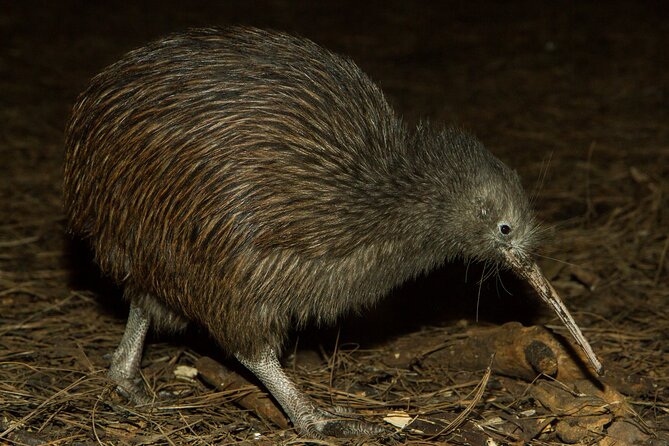
The brown kiwi is one of the visit’s major attractions. Seeing a kiwi in person can be difficult elsewhere, so this is a practical chance to encounter one during a normal day in Napier.
Do not expect a dramatic animal performance. The value is in seeing the bird itself and understanding why it is such an important symbol of New Zealand. The brown kiwi is a quieter highlight than the large marine tank, but it may be the most memorable part for many first-time visitors.
The tuatara offers another special connection with Aotearoa. It is not simply another reptile display. The animal has a distinct place in New Zealand’s natural heritage, and seeing one alongside the kiwi gives the visit a stronger local identity.
I especially like that these animals appear before the final ocean section. You get a reminder that New Zealand wildlife is not only about beaches and marine life. The visit covers several parts of the country’s animal world in a relatively small space.
For children, the kiwi and tuatara can also make the visit more engaging. The displays give them recognizable animals to look for before they reach the big tank. If your main goal is marine life, though, remember that these early sections are still an important part of the experience.
The main ocean exhibit and gliding stingrays

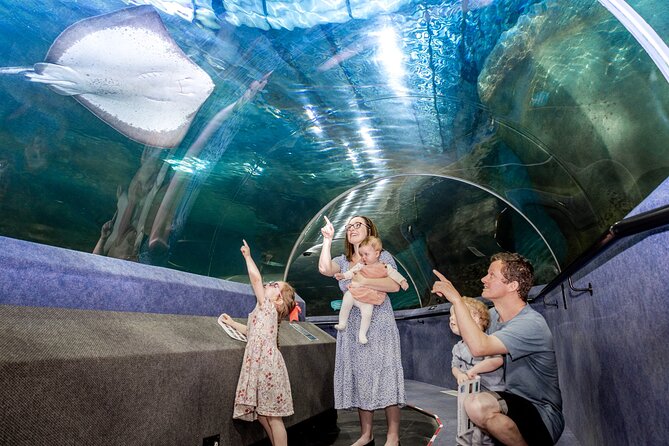
The route finishes with the aquarium’s largest exhibit. This is where the visit shifts from close views of individual animals to the broader movement of an underwater world.
Stingrays are a major draw. Watching them glide through the water has a calm, almost weightless quality, and it gives you a good reason to slow down rather than simply walk past. The larger setting also lets you see how different sea creatures share the same space.
This final section is where the aquarium feels most dramatic. The earlier areas introduce New Zealand wildlife in smaller settings, while the main tank gives you a wider view of ocean life. I would save enough time for this part instead of treating it as a quick exit.
The ocean display also helps explain the positive reaction many people have to the aquarium. The kiwi may be the animal you came to see, but the undersea section can become the part you remember most clearly. The combination of stingrays, fish, and the large viewing area provides the visit’s strongest visual moment.
Still, the exhibit should be approached as a focused aquarium experience rather than a vast marine park. The stated visit time is 30 minutes to 1.5 hours, so the attraction is built for a short, manageable stop. That is helpful for a busy itinerary, but it may feel limited if you want several hours of exhibits.
A few more aquarium days around the world worth a look
- Dubai: Aquarium and Underwater Zoo Experience
★ 4.2 · 4,872 reviews - Atlantis Aquaventure Ticket (with options for Aquarium), Dubai
★ 4.5 · 4,679 reviews - London: SEA LIFE Entry Ticket
★ 4.4 · 3,428 reviews - Mallorca: Palma Aquarium Entry Ticket w/ Optional 3D Cinema
★ 4.5 · 3,076 reviews
Feeding times at 10am and 2pm
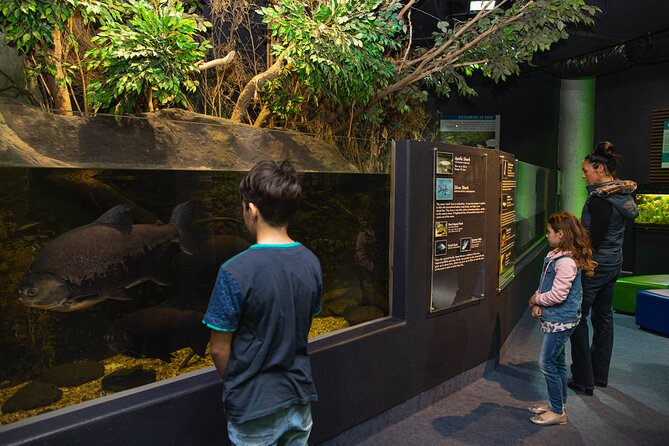
The best way to improve your timing is to plan around the daily feeding sessions. These take place at 10am and 2pm.
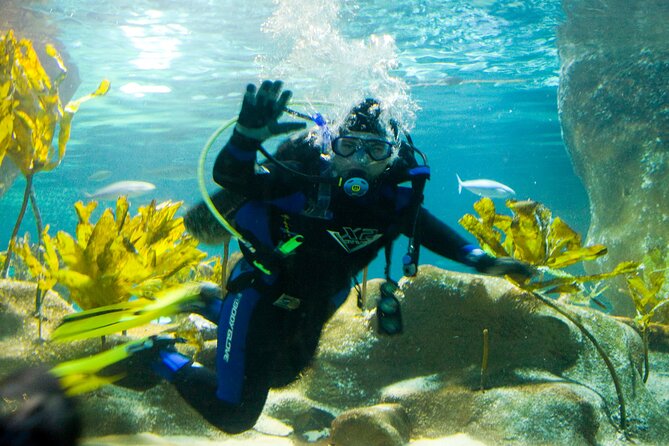
A feeding session adds movement and purpose to the visit. Instead of watching animals at rest, you may see activity around the food and follow what is happening in the tank. One visitor experience specifically included watching two divers feed fish from the viewing platform, along with little penguins being fed.
Those details make the feeding times especially worth considering. The sessions may be the most active part of the day, and they give children something definite to look forward to.
If you arrive close to one of the feeding times, head toward the relevant exhibit rather than spending too long at the entrance displays. If you have flexibility, arriving for the 10am session gives you the rest of the day afterward. The 2pm session works well for a later visit, but you will have less time before the 5pm closing.
The feeding sessions are not described as private or guided events, so you should treat them as part of general admission. Your ticket covers entry, and the experience remains self-guided.
How long you should allow
The published visit time ranges from 30 minutes to 1.5 hours. That is a useful range because the right amount of time depends on your interests and schedule.
Allow around 30 minutes if you want a quick look at the main sections, see the kiwi and tuatara, and spend a short period at the ocean exhibit. This could suit you if you are fitting the aquarium between other Napier activities.
An hour gives you a more comfortable visit. You can move through the early exhibits without rushing, stop at the native animals, and watch the stingrays for a while. This is the amount of time I would choose for a first visit if I were not arranging the day around a feeding session.
Allow up to 1.5 hours if you want to watch the animals closely, attend feeding time, and give the children space to revisit their favorite displays. The aquarium is small enough to manage without exhaustion, but that does not mean you should rush through it.
Because the attraction is indoors, it can also provide a useful change of pace during a busy day. The self-guided format makes it easy to leave once you have seen what interests you, rather than waiting for a tour to finish.
Is the $18.31 admission good value?

At $18.31 per person, the ticket is priced for an accessible short outing. The strongest value comes from the combination of local wildlife and marine viewing in one place.
You are not paying only for a large tank. Your admission includes the complete route from the mountain and freshwater displays through the native animals and into the ocean exhibit. You also have the chance to see the kiwi and tuatara, which can make the entry fee worthwhile even before you reach the stingrays.
The value is better if you attend one of the feeding times. Watching the fish being fed by divers and seeing little penguins receive food adds a scheduled event to the visit. If you arrive at a random time, you still get the exhibits, but you may miss the most active part.
For a family, the cost can add up, so I would judge it against the time you have available. If you can spend only 20 minutes, the price may feel less appealing. If you can give it an hour or more, especially around feeding time, it becomes a more sensible Napier activity.
The visit also offers a useful introduction to New Zealand animals for people who have not yet explored much of the country. That educational value is hard to measure, but it matters when you want an attraction that works for adults and children alike.
Who will enjoy this aquarium most?

I would recommend this experience to several types of visitors:
- Families wanting an easy indoor activity with animals, feeding times, and a manageable visit length.
- First-time visitors to New Zealand hoping to see a kiwi and tuatara in one place.
- Cruise passengers or day visitors with a limited window in Napier.
- Independent sightseers who prefer a self-guided route.
- Animal lovers who especially enjoy watching stingrays, fish, penguins, and other sea life.
- Visitors with mixed interests, since the aquarium covers freshwater, land, and ocean animals.
It may be less satisfying if you are looking for a large aquarium with many hours of exhibits. The attraction is compact by design. Its strength is the focused route and the mix of local wildlife, not sheer scale.
The self-guided setup also means you should not expect a personal guide to explain every display. That is a benefit for flexibility, but some people prefer a more formal presentation.
Getting there and practical details
The aquarium is near public transportation, so you do not need to rely entirely on a private vehicle. The available information does not specify exact routes or journey times, so check local transport details before setting out.
Mobile tickets are accepted, which keeps entry simple. Confirmation is provided at the time of booking, so you should have your admission details ready on your phone.
Service animals are allowed. Most people can participate, and the visit does not require strenuous activity. If you have particular access needs beyond that information, contact the provider before booking so you can confirm the arrangements directly.
The aquarium is open seven days a week, from 9am to 5pm. The attraction’s local time controls its schedule and cancellation cut-off, so keep that in mind if your plans change. You can cancel for a full refund if you do so at least 24 hours before the experience begins. Changes or cancellations made inside that window are not accepted for a refund.
My recommendation for booking
I would book the National Aquarium of New Zealand if you want a reasonably priced, easy-to-fit Napier activity with genuine local wildlife. The brown kiwi and tuatara give the visit a clear New Zealand identity, while the stingrays and large ocean exhibit provide the most visual excitement.
Try to arrive for the 10am or 2pm feeding session, since the fish and penguin activity can make the visit feel more substantial. Allow one hour if your schedule permits, and up to 1.5 hours if you want to watch the animals without hurrying.
I would skip it only if you want a very large aquarium or have almost no time in Napier. For everyone else, especially families and first-time visitors, the short route, flexible entry, and mix of kiwi, tuatara, penguins, and marine life make it a solid stop.
FAQ
Where is the National Aquarium of New Zealand?
The aquarium is in Napier, New Zealand.
What are the aquarium’s opening hours?
It is open seven days a week from 9am to 5pm.
How long does a visit take?
The approximate visit time is 30 minutes to 1.5 hours.
What animals can I see?
You can see introduced species, native tuna or eels, a brown kiwi, tuatara, stingrays, fish, penguins, and other sea life.
Are feeding sessions available?
Yes. Feeding times take place daily at 10am and 2pm.
Is the visit self-guided?
Yes. You guide yourself through the exhibits from the mountains to the sea.
Is a mobile ticket available?
Yes. The experience includes a mobile ticket, and confirmation is provided at the time of booking.
Can I cancel for a full refund?
Yes. You can receive a full refund if you cancel at least 24 hours before the experience start time. Cancellations or changes made less than 24 hours before the start time are not accepted for a refund.
Just added around the world
- Guided Tour of Coral World Ocean Park & Happy Hour★ 4.5 · 6 reviews
- Sealife Dolphin & Whale Watching aboard Portuguese schooner★ 4.0 · 7 reviews
- From Orlando: Clearwater Beach and Marine Aquarium Admission★ 5.0 · 7 reviews
- Cancun: Interactive Aquarium – Swim with dolphins Premium★ 4.8 · 2 reviews
- Coex Aquarium Entry Ticket★ 3.8 · 3 reviews
- Napier: National Aquarium of New Zealand General Admission★ 4.8 · 4 reviews
- Barcelona City Tour Hop-On Hop-Off and Aquarium★ 4.5 · 6 reviews
- Ocean Park Full-Day Coach Tour with Hotel Pickup in Kowloon Area from Hong Kong★ 3.5 · 7 reviews
Aquarium Entry Tickets, compared.

Atlanta: Georgia Aquarium Skip-the-Box-Office Entry Ticket
Read our review →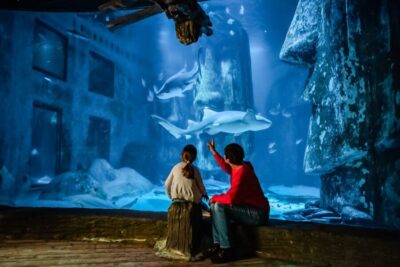
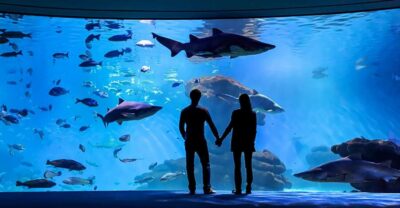
Mallorca: Palma Aquarium Entry Ticket w/ Optional 3D Cinema
Read our review →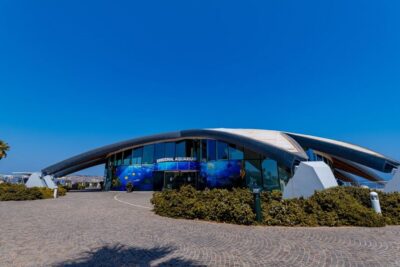
St Paul’s Bay: Malta National Aquarium Entry Ticket
Read our review →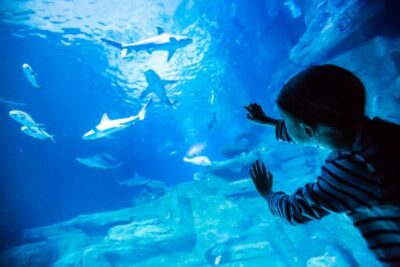
Browse the lists this tour appears in