
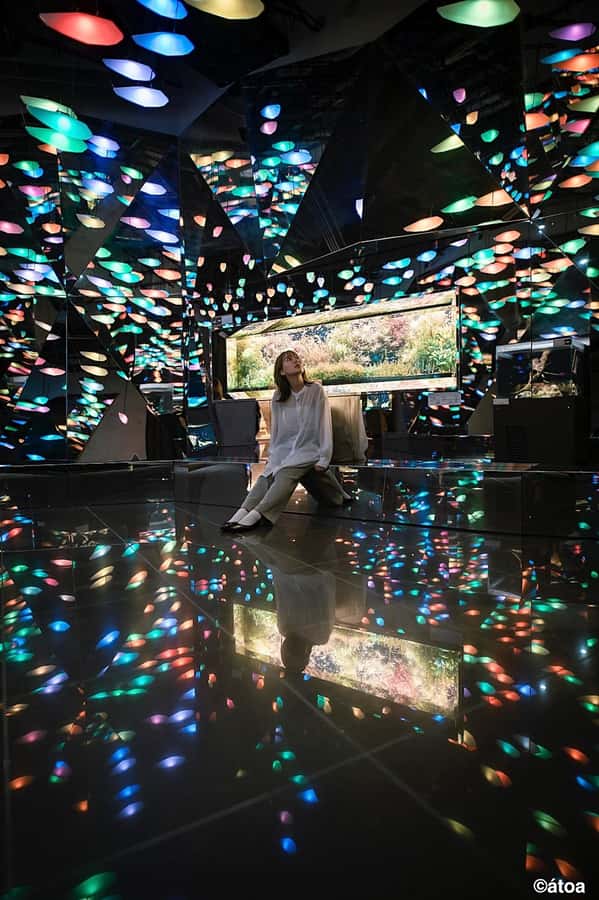
Review · JAPAN AQUARIUMS
Kobe: Urban Aquarium AQUARIUM×ART átoa Entry Ticket
Art meets sea life here. Kobe’s átoa Aquarium offers more than rows of glass tanks, combining marine exhibits, modern design, and art installations across eight themed zones. You can see creatures from about 100 species, then watch a laser performance around Japan’s largest spherical aquarium.
I especially like the beautiful Japanese garden-inspired area, where goldfish and koi become part of an elegant visual display. The light and shadow exhibition also earns its place on the route. My main caution is practical: the second-floor ticket window can be a little hard to locate, and busy periods may bring a wait.
The standard ticket costs about $16 per person, which is fair if you enjoy design as much as animals. The optional aquarium and Kobe 1-Day Loop Bus combination can add value for sightseeing, but remember that the bus follows a one-way loop.
Key things to know before visiting

- Eight zones combine art and marine life: This is an aquarium built around mood, color, lighting, and design rather than simple tank viewing.
- Japan’s largest spherical aquarium gets a laser show: The presentation gives the visit a theatrical finish and creates one of átoa’s most memorable scenes.
- The Japanese garden area is a highlight: Goldfish and koi are presented in a refined setting that feels closer to an art installation than a standard exhibit.
- About 100 species are on display: The collection gives you a broad look at aquatic life while also introducing the need to protect marine ecosystems.
- The ticket exchange happens upstairs: Show your e-voucher at the second-floor ticket window and exchange it for a physical ticket before entering.
- A Kobe bus combination is available: The optional 1-Day Loop Bus ticket can be useful, but the route runs in one direction.
What makes Kobe’s átoa different from a standard aquarium

Many aquariums lead you from tank to tank with short labels and familiar blue lighting. átoa takes another route. It treats the building as part gallery, part aquarium, and part stage set.
That approach changes how you notice the animals. Instead of seeing marine life in isolation, you see it framed by shadow, color, sound, sculpture, and carefully designed spaces. The result is less like a traditional educational hall and more like a sequence of visual scenes.
I would not choose átoa only for the size of its collection. The appeal is the combination of art and aquatic life. You are there to see the animals, but also to notice how the environment shapes your response to them.
The eight zones give the visit a natural rhythm. Some areas focus more directly on marine creatures, while others place greater weight on lighting and visual design. This variety helps keep the experience interesting, especially if you are visiting with someone who is not normally excited by aquariums.
The educational side matters, too. Exhibits and programs introduce marine conservation and the importance of protecting aquatic ecosystems. The message is not limited to naming species. You are encouraged to think about the living systems that support them.
More Aquarium Entry Tickets in Japan:
- Tokyo: Art Aquarium Museum GINZA Entry Ticket
★ 4.5 · 278 reviews - Tokyo: Sumida Aquarium Entry Ticket
★ 4.6 · 70 reviews - Tokyo: Sunshine Aquarium Entry Ticket
★ 4.6 · 55 reviews
Entering through the second-floor ticket window
Before you begin, take care of one slightly awkward step. The e-voucher must be shown at the átoa 2nd floor Ticket Window, where you receive a physical entry ticket.
The exchange point is at approximately 34.6833988178555, 135.1936028656067. The location may not be immediately obvious, so allow a little extra time rather than arriving at the last possible moment. One useful tip is to have the voucher ready on your phone before you reach the window.
At busy times, you may face a waiting period. The ticket is valid for one day, but starting times depend on availability, so check the available entry details when booking.
The aquarium is wheelchair accessible. Children under 13 must be accompanied by a guardian. Pets are not allowed, although assistance dogs are permitted.
Eight zones, with art setting the mood
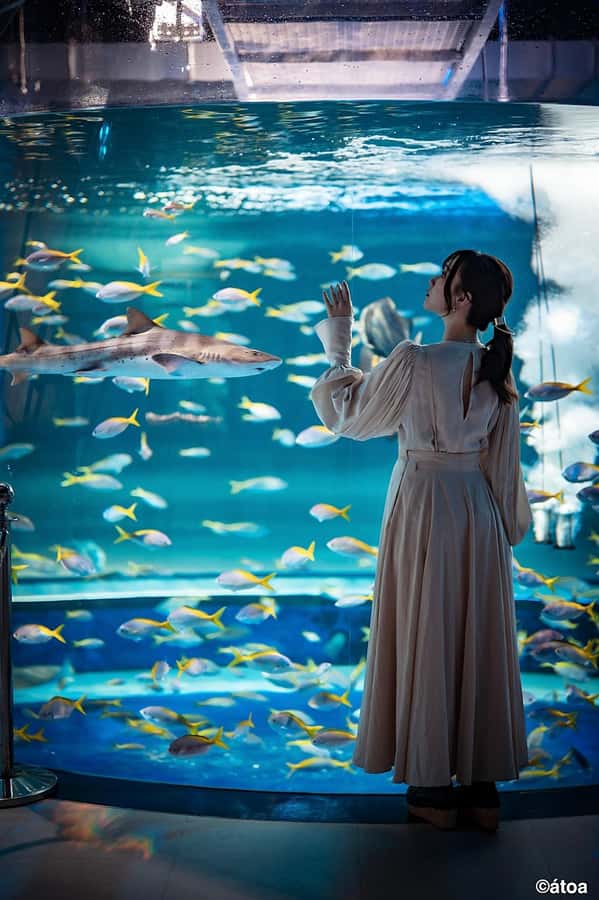
The aquarium’s eight-zone layout is the backbone of the visit. Because the facility is designed as a meeting point between art and marine life, the presentation can feel more dramatic than a standard aquarium visit.
Expect a mix of interactive displays, art installations, educational content, and aquatic exhibits. You may find yourself spending as much time looking at the room around a tank as at the animals inside it. That is a strength if you enjoy atmosphere and photography, though it may feel less direct if you want a purely scientific aquarium tour.
The collection includes creatures from around 100 species. That number gives you enough variety for a satisfying visit without suggesting a huge, all-day institution. I would plan átoa as a focused urban attraction rather than an entire day devoted only to marine biology.
The lighting is a major part of the experience. Photography is allowed, but flash photography and large equipment are prohibited. This rule protects the animals and helps preserve the intended atmosphere. A phone or small camera is the sensible choice.
Do not rush from one zone to the next. The spaces are meant to be viewed as scenes, and the most successful moments often come when you pause. Look at the contrast between the creatures, the water, and the surrounding lighting.
The Japanese garden area and its graceful fish
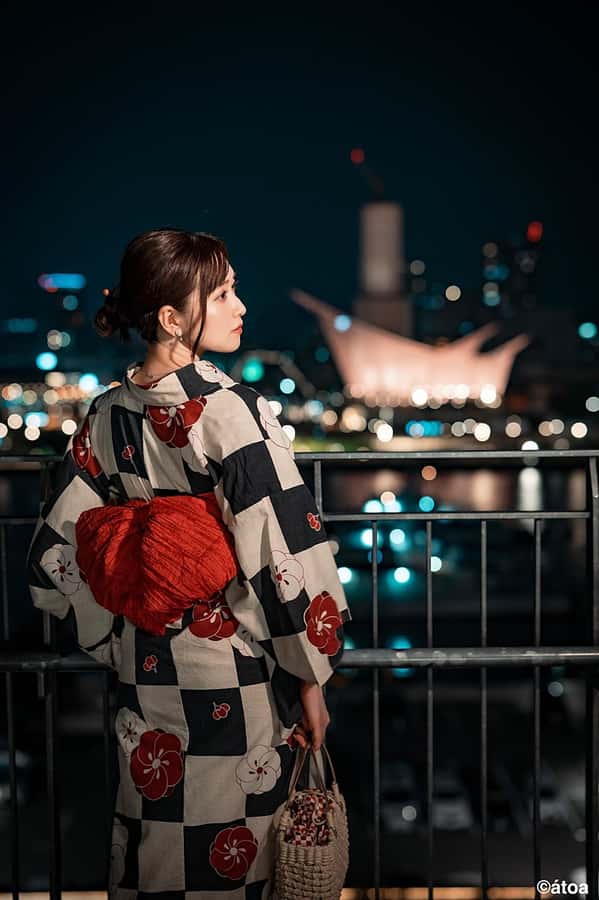
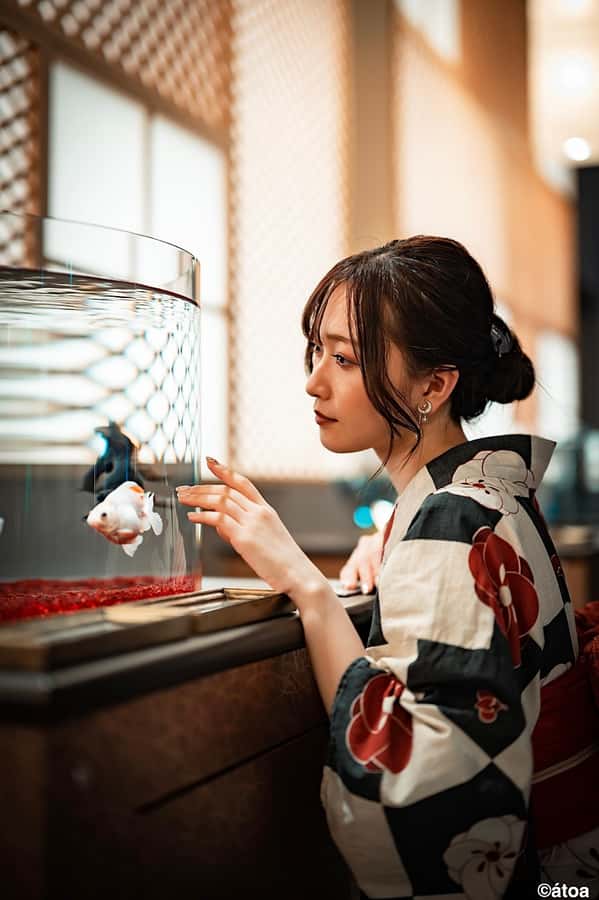
The Japanese garden-inspired floor is one of the most attractive parts of the aquarium. Goldfish and koi are presented in a setting designed to suggest the calm order of a traditional Japanese garden.
This is a good example of what átoa does best. The fish are not treated as background decoration, but they are also not shown in a bare tank with only a label beside it. The setting gives the animals a sense of ceremony and invites you to watch their movement.
I would allow extra time here, especially if you enjoy Japanese design. The slow movement of koi and goldfish works well with the refined setting, and the area offers a welcome change from brighter or more theatrical sections.
This floor may also appeal to people who are more interested in visual beauty than in identifying every species. It is a place for quiet observation. You might find it especially appealing after the more energetic displays.
A few more aquarium days around Japan worth a look
- Naha: North Okinawa Sightseeing Tour & Churaumi Aquarium
★ 4.4 · 472 reviews - Okinawa Churaumi or Tropical, Kouri American Village BusTour
★ 4.4 · 140 reviews - Okinawa: Churaumi Aquarium, Ryukyu Village & Manza Bus Tour
★ 4.5 · 118 reviews - Okinawa HIP-HOP BUS B – 1 Course Tour (Okinawa Churaumi Aquarium)
★ 5.0 · 66 reviews
Light, shadow, and the aquarium as an art gallery
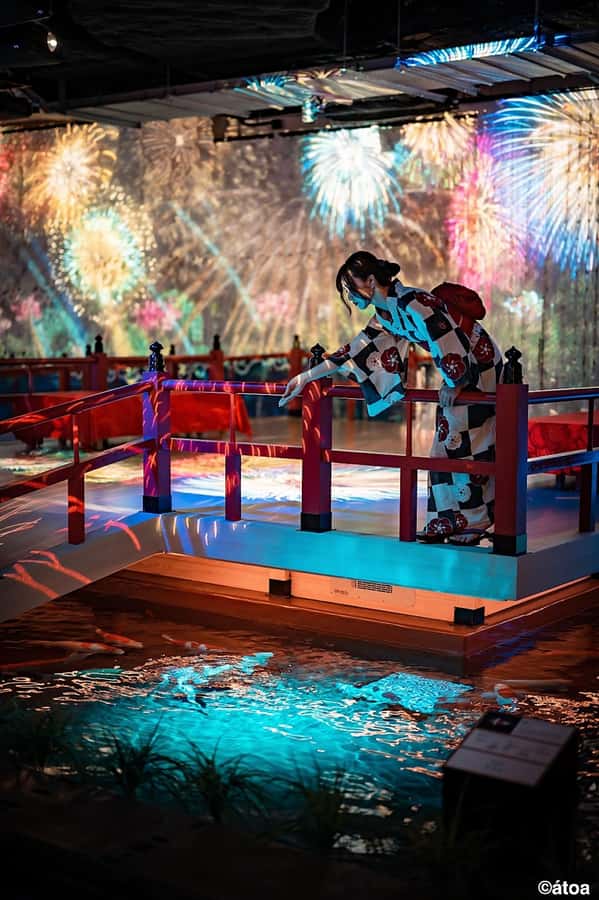
The light and shadow exhibition gives átoa some of its strongest visual character. Lighting changes how you see the tanks and installations, making the building feel more like an art gallery than a conventional animal facility.
This is not just decoration. Light can bring attention to movement, create silhouettes, and make familiar aquatic scenes appear unfamiliar. The effect is particularly useful for visitors who want memorable photographs, although the no-flash rule means you will need to work with the available lighting.
I like this section because it gives the visit a clear sense of place. You are not simply walking through a series of displays. You are moving through carefully arranged environments, each with its own tone.
The tradeoff is that visual drama can sometimes compete with the animals. If your priority is detailed species information, read the educational material and labels carefully rather than treating the exhibition as a quick photo stop.
The spherical aquarium and laser performance
One of átoa’s headline features is the laser performance around Japan’s largest spherical aquarium. The round tank creates a different viewing experience from the usual rectangular aquarium window.
A sphere suggests a world viewed from all sides, and the laser presentation adds a theatrical layer. It is one of the places where the aquarium’s title, AQUARIUM×ART, makes the most sense. Marine life becomes part of a moving visual show rather than a static display.
The performance is likely to be a highlight for families, couples, and anyone who enjoys modern design. It also gives the visit a strong focal point, so do not treat the spherical aquarium as something to glance at while passing through.
I would keep your expectations balanced. This is an art-focused presentation, not a replacement for a long scientific talk about marine biology. The value lies in the way the aquarium uses light, scale, and motion to make you look more closely.
Conservation messages that give the visit purpose

The aquarium’s conservation programs and workshops connect the attractive design to a larger point. Aquatic ecosystems are fragile, and protecting marine life requires more than admiring individual animals.
You will encounter educational material about marine conservation and the importance of preserving aquatic environments. The message helps give context to the collection of species on display. It reminds you that an aquarium can be a place for public education as well as entertainment.
The programs are especially useful for families with children, since they create an opportunity to discuss why aquatic habitats matter. Children under 13 need an accompanying guardian, and adults can make the visit more meaningful by slowing down for the educational sections instead of focusing only on the brightest displays.
I appreciate that conservation is part of the experience rather than a separate afterthought. Still, the supplied information does not specify the length or schedule of individual workshops, so check current details if a particular program is important to you.
How long should you allow?

The ticket is valid for one day, but that does not mean you need an entire day inside. The experience is best understood as a flexible urban attraction that can fit into a Kobe sightseeing schedule.
The eight zones, art installations, aquatic exhibits, and laser presentation can support a leisurely visit. If you move quickly, you can see the main areas in a shorter stop. If you enjoy photography, read the conservation material, and spend time with the Japanese garden display, allow more breathing room.
Opening hours can change for private reservations. On August 22, 23, and 24, the aquarium opens from 10:00 to 17:00, with last admission at 16:00. Those hours are important because a late arrival could leave too little time inside.
I would check the operating hours close to your visit, especially if you are building a full Kobe itinerary. A little planning avoids the classic aquarium problem: arriving just before last entry and having to hurry through the best rooms.
Is the $16 ticket good value?
At about $16 per person, átoa is reasonably priced for a polished city attraction that combines several types of entertainment. You are paying for aquarium access, visual installations, interactive elements, educational content, and the art-focused presentation.
The price makes the most sense if you enjoy more than animal identification. Someone seeking a large-scale aquarium with an enormous collection may find the visit limited. Someone who likes design, Japanese aesthetics, photography, and aquatic life is more likely to feel satisfied.
Food and drinks are not included, but they are available for purchase at the átoa café. That gives you an option to pause without leaving the facility, though you should treat café spending as separate from the entry price.
The optional aquarium and Kobe 1-Day Loop Bus ticket combination may be useful if you are also planning to use the city bus for sightseeing. The bus runs in one direction, so study the route before relying on it for a particular connection. A one-way loop can be good value, but it is less convenient if you need to backtrack.
Who will enjoy átoa most?
I would recommend átoa to:
- Families looking for an indoor activity with animals, art, and educational material
- Couples who want a visually striking stop in Kobe
- Visitors who enjoy Japanese design and carefully lit interiors
- Aquarium fans who appreciate presentation as much as species variety
- Photographers using a phone or small camera without flash
- Sightseers considering the Kobe 1-Day Loop Bus combination
I would be more cautious if your main goal is a large, traditional aquarium with extensive scientific displays. átoa’s appeal comes from its artistic presentation, so the visit works best when you are open to both sides of the concept.
It also suits visitors who want a compact attraction that can fit around other Kobe plans. The one-day validity provides flexibility, though you still need to pay attention to entry availability and closing times.
Practical tips for a smoother visit
Bring your e-voucher in an easy-to-open form on your phone. You need it at the second-floor ticket window, where it is exchanged for a physical ticket.
Arrive with some time in hand during peak periods. Waiting is possible, and the ticket exchange point may take a moment to find.
Keep your camera equipment simple. Flash photography and large equipment are not permitted, while ordinary photography is allowed.
If you are traveling with children, remember that anyone under 13 must have a guardian. The exhibits are visually engaging, but younger children may need help taking in the educational material.
If you are visiting on August 22, 23, or 24, plan around the shortened 10:00 to 17:00 schedule and 16:00 last admission. Private reservations can also affect opening hours at other times, so confirm before setting your day in stone.
Should you book the átoa Aquarium ticket?
Book it if you want an aquarium with a strong artistic identity. The Japanese garden display, light and shadow rooms, and spherical aquarium laser performance give the visit character that a standard tank-by-tank route may lack.
The $16 price is fair for an experience that combines marine life, design, education, and interactive displays. The optional bus combination can make sense for a full day of Kobe sightseeing, but only if the one-way route fits your plans.
Skip it if you want the largest possible collection or a strictly science-focused aquarium. Choose it if you like elegant fish displays, modern lighting, conservation messages, and an attraction that feels part aquarium and part gallery.
FAQ
Where do I exchange the e-voucher?
Show your e-voucher at the átoa 2nd floor Ticket Window. You will receive a physical ticket in exchange.
How much does the aquarium ticket cost?
The listed price is about $16 per person. Prices can change, so confirm the current amount when booking.
Is the Kobe 1-Day Loop Bus included?
The bus ticket is included only when you select the átoa Aquarium Admission and Kobe 1-Day Loop Bus Ticket Combo.
Can I take photographs inside?
Photography is allowed, but flash photography and large equipment are prohibited.
Are children allowed to visit alone?
Children under 13 must be accompanied by a guardian.
Is átoa wheelchair accessible?
Yes, the aquarium is wheelchair accessible.
Just added around Japan
- Okinawa Miyako Natural Aquarium! Tropical Snorkeling Tour★ 5.0 · 15 reviews
- Explore Okinawa (Naha, Churaumi Aquarium) using Private Hiace Van★ 4.0 · 10 reviews
- Enoshima Aquarium: Admission Ticket★ 4.4 · 14 reviews
- Kyoto Aquarium Admission Ticket★ 4.7 · 12 reviews
- Okinawa: Bus Tour to Churaumi Aquarium with Sightseeing★ 4.3 · 20 reviews
- Okinawa Full Tour: Castle, Manza, Kouri, Aquarium & American★ 5.0 · 17 reviews
- Tokyo Art Aquarium Museum E-Ticket with optional Tokyo Metro Pass★ 5.0 · 17 reviews
- <1Dya Tour>Churaumi Aquarium, Cape Manzamo, American Village★ 4.1 · 20 reviews
Japan Aquariums, compared.
Naha: North Okinawa Sightseeing Tour & Churaumi Aquarium
Read our review →

Okinawa Churaumi or Tropical, Kouri American Village BusTour
Read our review →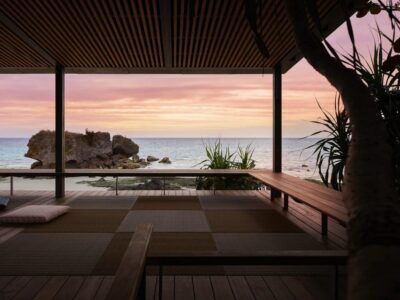
Okinawa: Churaumi Aquarium, Ryukyu Village & Manza Bus Tour
Read our review →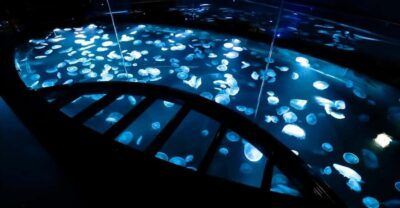

Okinawa HIP-HOP BUS B – 1 Course Tour (Okinawa Churaumi Aquarium)
Read our review →
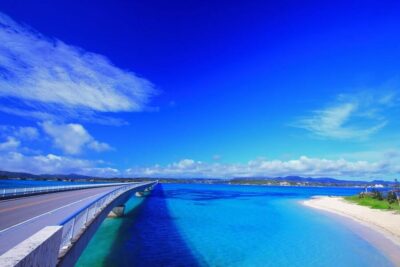
<1Dya Tour>Churaumi Aquarium, Cape Manzamo, American Village
Read our review →Browse the lists this tour appears in