
Review · JAPAN AQUARIUMS
Tokyo: Art Aquarium Museum GINZA Entry Ticket
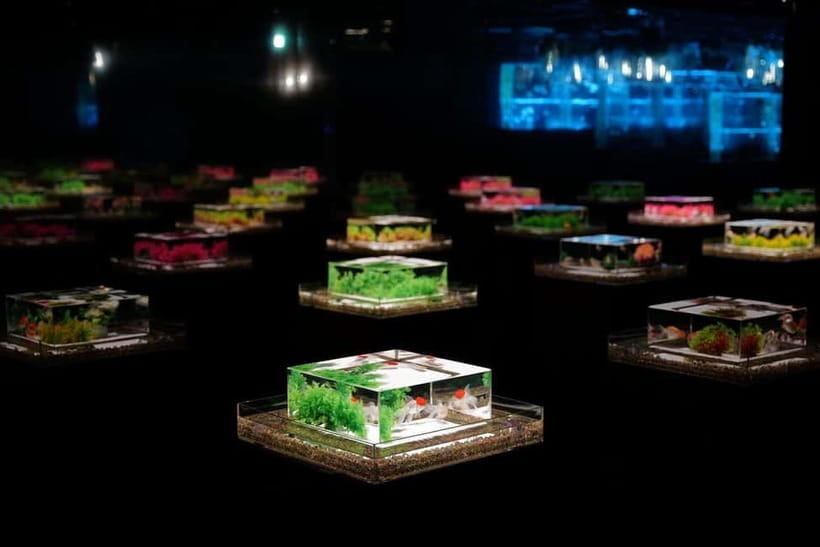
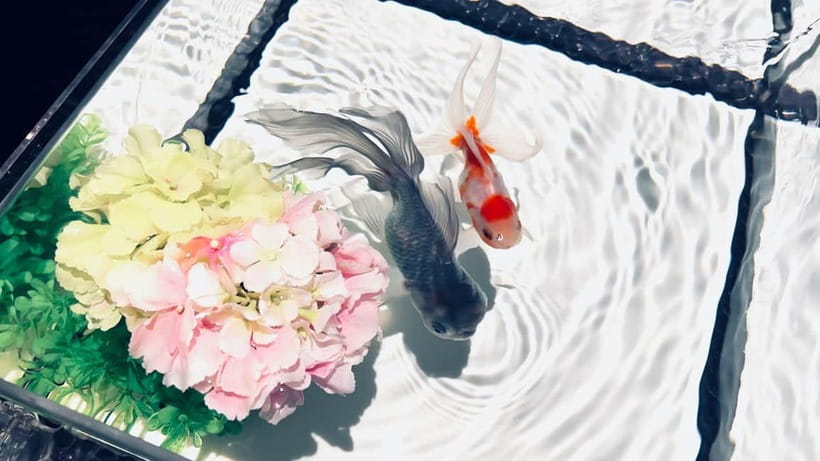
Goldfish become living works of art here. At Art Aquarium Museum GINZA, carefully designed tanks, colored light, music, and fragrance turn a familiar Japanese fish into a modern gallery subject. I especially like the museum’s beautiful aquarium displays and its unusual link to Edo-period goldfish appreciation. The changing seasonal presentations also give you a reason to return.
The museum is compact, with most visits lasting about 45 minutes to an hour. That makes it easy to fit into a Ginza shopping day, but it also means you should not expect a full-day attraction. A second consideration is the presentation itself: the lighting and music are striking, yet some visitors may question whether every fish appears comfortable in such a theatrical setting.
Key Points to Know Before You Go
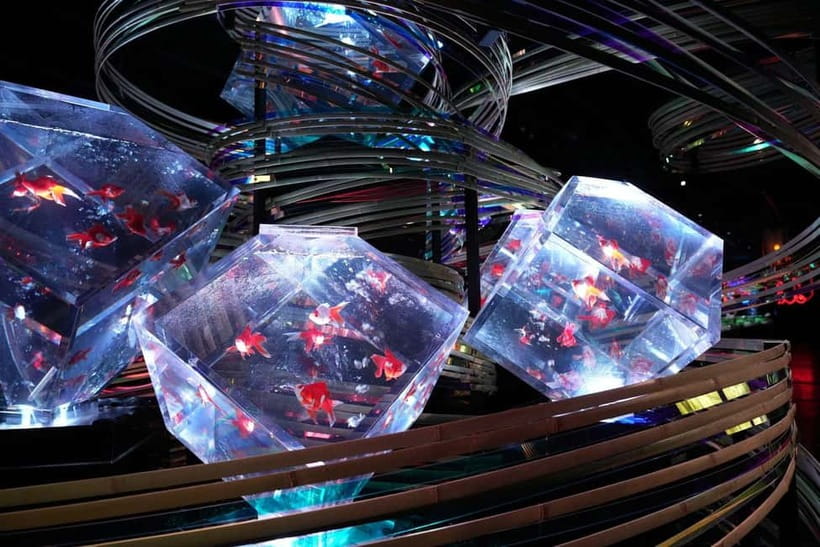
- Goldfish take center stage: The museum focuses on the shape, color, and movement of goldfish rather than a broad collection of sea life.
- Light, music, and scent shape the visit: Each display is designed as a sensory art installation, not simply as a standard aquarium tank.
- Plan for about one hour: The route is compact, so this works best as a short cultural stop in Ginza.
- Photography is welcome: You can take pictures, but tripods, monopods, strobes, and extra lighting are not allowed.
- The displays change with the seasons: The permanent Ginza venue updates parts of its presentation during the year.
- The museum is inside Ginza Mitsukoshi: Admission reception and same-day ticket services are on the ninth floor of the new building.
Why Goldfish Matter in This Japanese Art Experience
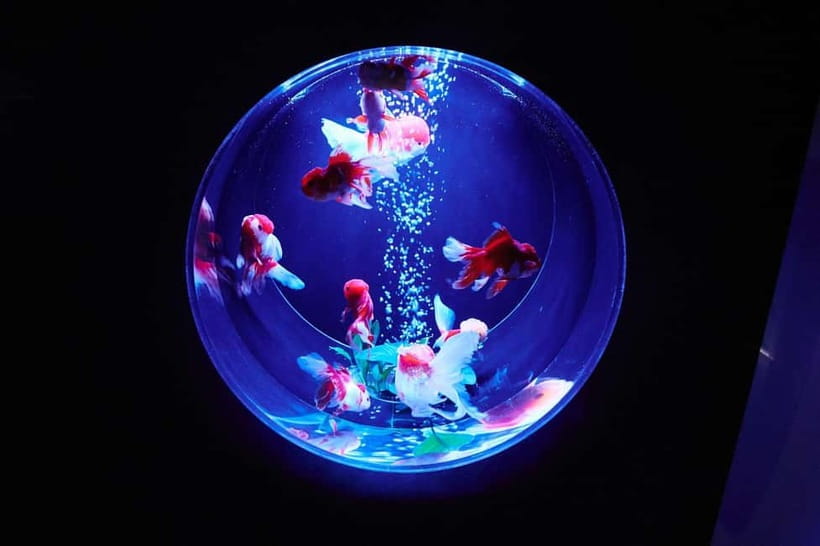
Goldfish have a long place in Japanese decorative culture. The Art Aquarium Museum presents that tradition through a modern gallery format, using tanks and room designs to make the fish part of a larger visual composition.
The idea reaches back to Edo-period goldfish appreciation, when keeping and admiring carefully bred goldfish became a popular pastime. Here, that older interest is given a contemporary setting. Instead of seeing fish in plain rectangular tanks, you encounter them among colored lights, reflective surfaces, music, and carefully controlled scent.
I like this approach because it gives the museum a clear identity. It is not trying to compete with a large public aquarium filled with sharks, penguins, and coral reefs. It offers one subject, then examines that subject from many angles.
The goldfish themselves are the moving element in each display. Their fins, colors, and slow swimming patterns change as the lighting shifts around them. You will see how much character can come from a fish that is often treated as an ordinary household pet.
More Aquarium Entry Tickets in Japan:
- Tokyo: Sumida Aquarium Entry Ticket
★ 4.6 · 70 reviews - Tokyo: Sunshine Aquarium Entry Ticket
★ 4.6 · 55 reviews - Kobe: Urban Aquarium AQUARIUM×ART átoa Entry Ticket
★ 4.9 · 20 reviews
Entering at Ginza Mitsukoshi
The museum is located inside Ginza Mitsukoshi, one of the major department stores in central Tokyo. For admission reception and same-day tickets, go to the ninth floor of the new building.
The most direct train access is Ginza Station. Use Exit A7 from the Tokyo Metro Ginza, Marunouchi, or Hibiya lines. From Ginza 1-chome Station on the Yurakucho Line, allow about five minutes from Exit 9. Higashi Ginza Station is also convenient, with a two-minute walk through the underground passage toward Ginza Station.
This indoor location is useful on a rainy day and easy to pair with department store shopping or a meal in the Ginza area. You do not need to make a separate trip across Tokyo for the museum.
Still, allow a little time to find the correct building and floor. The museum is not a freestanding attraction with a large entrance on the street. If you are already inside Ginza Mitsukoshi, follow signs to the new building and ninth floor.
The listed address is Ginza Mitsukoshi, 4-6-16 Ginza, Chuo-ku, Tokyo, 104-8212. The location is central, but one visitor found there was less to do immediately around the museum than expected. Ginza has plenty of shops and restaurants, yet the museum itself is best treated as one stop within a larger outing.
The First Rooms: A Change of Pace
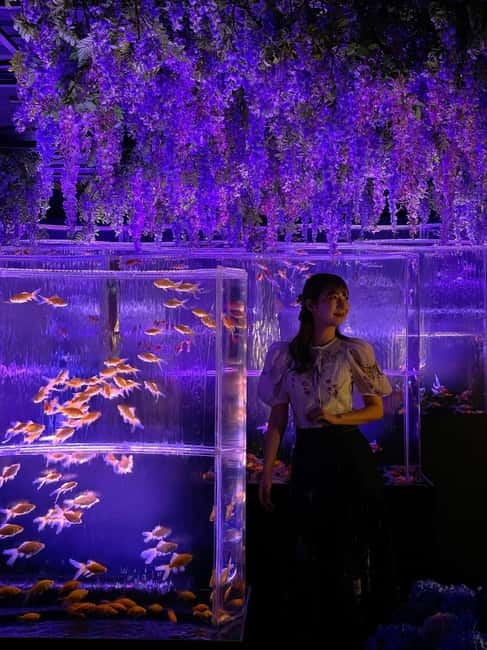
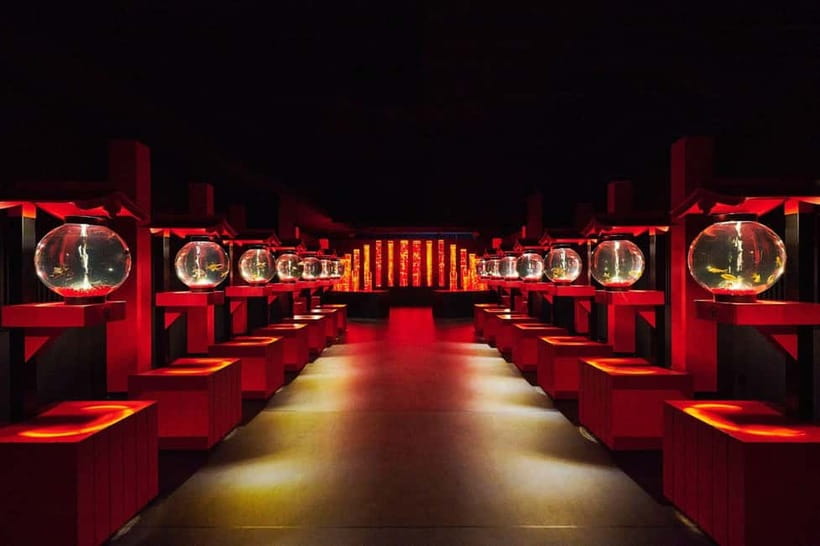
Once inside, the experience shifts quickly from department store Tokyo to a darker, quieter art setting. The combination of dim surroundings, music, fragrance, and lit aquariums creates a strong contrast with the bright retail floors outside.
The museum does not require a guide to explain every step. You move through the displays at your own pace, stopping wherever a tank catches your attention. Information about the goldfish is available in English, which helps you understand that the fish are not only decorative objects but also part of a specific Japanese tradition.
The scent is an important part of the design. Aromatherapy is used in the museum, and the fragrance adds to the feeling that you are entering a separate world. If you are sensitive to scent, this is worth knowing before you buy a ticket.
Music also shapes the mood. Several visitors particularly enjoyed the calm background sound, saying it helped them feel more connected to the art. The music is not an extra performance, but it gives the rooms a steady rhythm as the fish move through the water.
Aquarium Displays Designed for Pictures
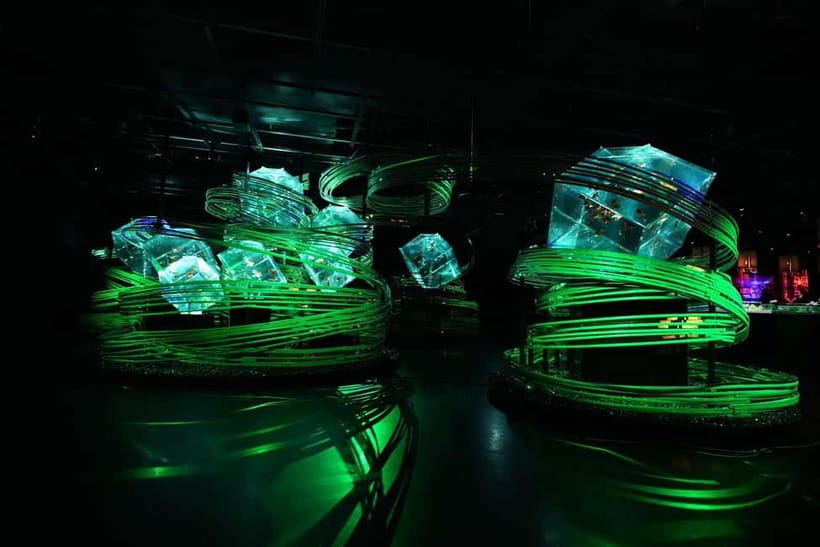
Photography is one of the museum’s strongest attractions. The tanks are arranged with color and lighting in mind, so even a simple picture of a goldfish can look highly stylized.
You may find that the best photographs come from waiting for the fish to swim into the right area rather than snapping quickly and moving on. The displays are popular with photography enthusiasts, and the limited room around some installations means you should be considerate of people waiting for a clear view.
Tripods, monopods, and similar equipment are not allowed. Strobes and additional lighting equipment are also prohibited. Handheld photography is permitted, so you can use a phone or ordinary camera, but the low-light conditions may require a steady hand.
For the best chance of taking pictures without a crowd around you, a midweek morning is a smart choice. One visitor who arrived around 10:30 a.m. on a weekday found only a few other people inside and had time to photograph the displays without getting in anyone’s way.
Do not let the focus on photography make you feel you must bring a serious camera. The color and lighting are designed to make the exhibits visually appealing even when you are simply looking. A phone is enough for many visitors.
More Museum Visits in Japan:
- Tokyo Art Aquarium Museum E-Ticket with optional Tokyo Metro Pass
★ 5.0 · 17 reviews - Antalya: Aquarium and Wax Museum Entry Ticket
★ 4.4 · 192 reviews - Genoa: Aquarium, Galata Museum and Submarine Entry Tickets
★ 4.6 · 190 reviews - Antalya: Aquarium, Wax Museum & Combo Package Options
★ 4.1 · 128 reviews
A Compact Route With Changing Details
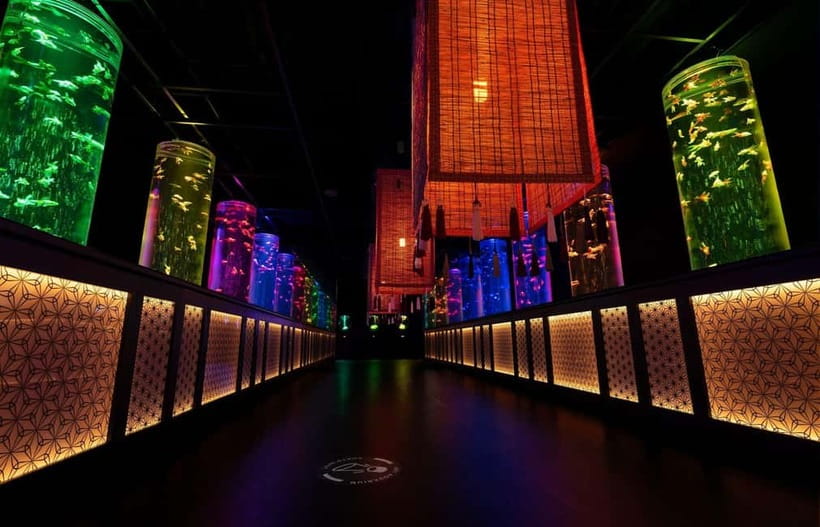
The museum’s estimated viewing time is one hour, and that estimate feels practical. You can see the main rooms in less time if you walk quickly, while a photographer may want longer at each installation.
The route is compact rather than sprawling. That is good news if you have limited time in Tokyo, are traveling with children, or want a gentle cultural stop between shopping and meals. It is less ideal if you expect a large aquarium with many galleries and hours of exploration.
The permanent Ginza venue changes parts of its art presentation throughout the year. Seasonal updates mean the museum is not exactly the same on every visit. A repeat visitor who returned after two years found that more than half of the art appeared new, which suggests the museum makes a real effort to refresh the experience.
Those changes give the museum more staying power than a one-time light show. If you are visiting Tokyo again, you may see different colors, arrangements, or themed presentations. The exact seasonal content is not fixed in the information provided, so check the current opening details before you go.
The Fish and the Ethical Question
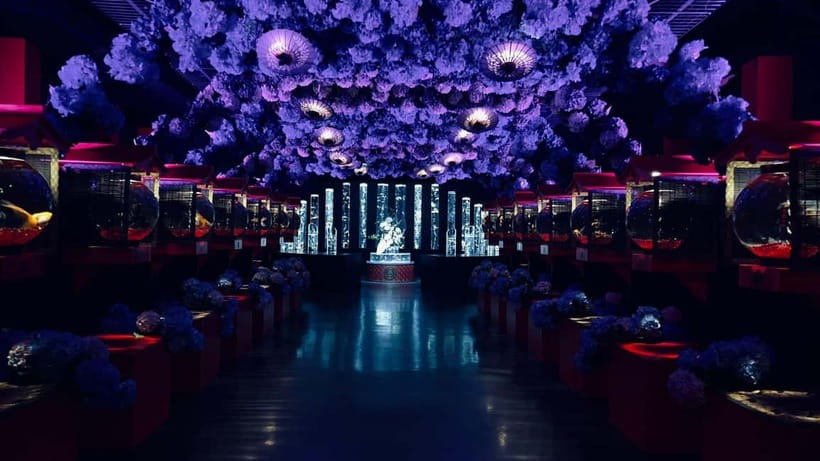
The goldfish are the reason to visit, but they also create the main point worth thinking about. The museum presents live fish in highly theatrical settings, with strong lighting, sound, and decorative tanks.
Most of the experience is framed as admiration for the fish’s beauty. You will see different types and learn about them in English. Their slow movement and distinctive forms are central to the visual effect.
At the same time, one visitor felt that some fish looked maltreated. That does not establish a specific problem with the museum, but it is a fair personal concern to keep in mind. If you are uncomfortable with animals being used in art installations, this attraction may not be the right fit.
I would also avoid treating the fish as mere props. The art works because the animals are alive and moving, which makes responsible presentation important. The museum’s concept is unusual and attractive, but it is reasonable to consider how the fish are housed before booking.
Is the $17 Ticket Good Value?
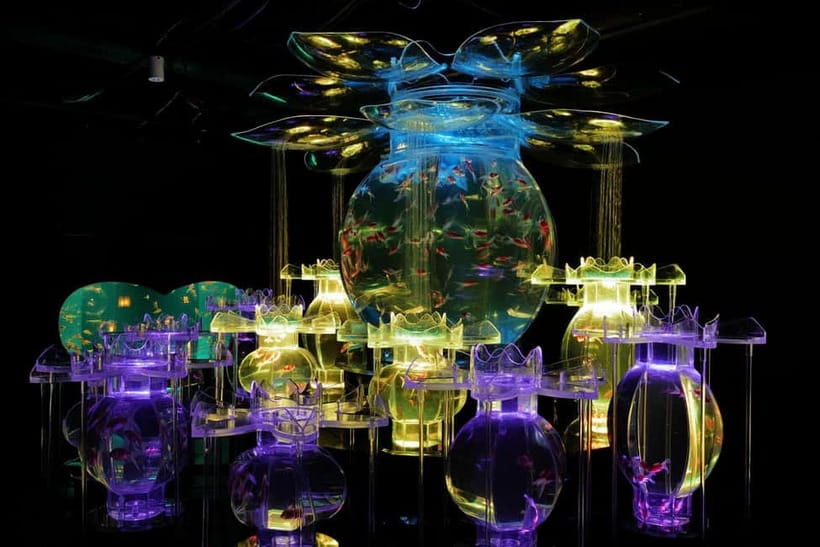
At about $17 per person, the ticket is reasonably priced for central Tokyo, especially if you appreciate photography, design, or unusual cultural attractions. The visit is short, but the price reflects a carefully built art installation rather than a large museum with a full day of galleries.
Value depends on what you want. If you enjoy dramatic lighting, Japanese design, and photo-friendly displays, you can get plenty from the visit. If you want a traditional art museum, an educational natural history exhibit, or a major aquarium, the ticket may feel less worthwhile.
The attraction becomes better value when paired with other Ginza plans. You can visit before shopping at Ginza Mitsukoshi, stop for lunch, or use it as a quiet break between larger Tokyo sights. Since it takes roughly an hour, it does not consume much of your day.
The gift shop is another small advantage. One visitor found the souvenirs especially appealing. If you are looking for a compact Tokyo memento connected to Japanese visual culture, it may be worth allowing a few minutes after the exhibits.
Who Will Enjoy This Most?
I would recommend Art Aquarium Museum GINZA to:
- Photography enthusiasts who enjoy controlled light and unusual compositions
- Couples looking for a calm and visually distinctive indoor stop
- Families who want a short attraction with a clear route
- Visitors interested in modern interpretations of Japanese tradition
- Repeat visitors who may enjoy seeing the seasonal changes
- Anyone already planning to spend time in Ginza
The museum may be less satisfying if you want a long visit, hands-on activities, or a broad range of marine animals. It is also not the best choice if you dislike dark rooms, scent-based experiences, or live animals presented as art.
Children under elementary school age can enter free, with up to two children admitted free per paying adult. That can make the visit more practical for a family, especially because the route is short and does not demand hours of attention.
Timing, Crowds, and Practical Advice
Opening days and hours can change, so check the current schedule before you go. The activity is valid for one day, but the available entry times depend on the date you choose.
For a quieter visit, aim for a weekday morning. Midweek entry around 10:30 a.m. worked well for one visitor who wanted clean photographs and space to look carefully. Crowds may vary, and even a compact museum can feel tight when several people stop at the same tank.
Do not bring a tripod or lighting kit. These are not allowed, and the displays already provide the intended lighting. Keep your camera or phone ready, then move aside when you have your picture so other people can enjoy the view.
Give yourself about an hour inside, plus time to reach the ninth floor and find the admission area. If you are connecting this with another timed booking, avoid scheduling it too tightly.
Should You Book Art Aquarium Museum GINZA?
Book it if you want a short, polished Tokyo experience built around goldfish, design, music, scent, and photography. The central location, English information, seasonal changes, and moderate $17 price make it an easy addition to a Ginza day.
Skip it if your priority is a large aquarium, a long museum visit, or a traditional gallery filled with historic objects. You should also think carefully about the live-animal presentation if that may trouble you.
For most visitors who enjoy visual art and unusual cultural experiences, I would consider it a worthwhile one-hour stop. Go on a weekday morning when possible, take your time with the displays, and remember that the attraction is about atmosphere and presentation as much as the fish themselves.
FAQ
Where is Art Aquarium Museum GINZA located?
It is inside Ginza Mitsukoshi at 4-6-16 Ginza, Chuo-ku, Tokyo. Admission reception and same-day ticket services are on the ninth floor of the new building.
How do I reach the museum from Ginza Station?
Use Exit A7 from the Tokyo Metro Ginza, Marunouchi, or Hibiya lines.
How far is the museum from Ginza 1-chome Station?
The museum is about a five-minute walk from Exit 9 of Ginza 1-chome Station on the Tokyo Metro Yurakucho Line.
How far is it from Higashi Ginza Station?
It is about a two-minute walk through the underground passage toward Ginza Station.
How long does the visit take?
The estimated viewing time is one hour. Some visitors spend about 30 minutes, while others stay for 45 minutes to an hour.
How much does admission cost?
The listed price is $17 per person.
Can children enter free?
Up to two children under elementary school age may enter free with one adult.
Can I take photographs inside?
Yes. Photography is permitted, but tripods, monopods, similar equipment, strobes, and lighting equipment are not allowed.
Does the museum change during the year?
Yes. The permanent Ginza venue features seasonal changes, and parts of the art presentation may be different at different times of year.
Is the ticket refundable?
No. This activity is non-refundable.
Just added around Japan
- Tokyo Sumida Aquarium E-Ticket with Optional Tokyo Metro Pass★ 4.5 · 8 reviews
- Kagoshima Aquarium Admission Ticket★ 3.0 · 4 reviews
- Kujukushima: Aquarium Umikirara Admission Ticket★ 4.4 · 2 reviews
- Enoshima Aquarium: Admission Ticket★ 4.4 · 14 reviews
- Kyoto Aquarium Admission Ticket★ 4.7 · 12 reviews
- Okinawa: Bus Tour to Churaumi Aquarium with Sightseeing★ 4.3 · 20 reviews
- Okinawa Full Tour: Castle, Manza, Kouri, Aquarium & American★ 5.0 · 17 reviews
- Tokyo Art Aquarium Museum E-Ticket with optional Tokyo Metro Pass★ 5.0 · 17 reviews
Japan Aquariums, compared.
Naha: North Okinawa Sightseeing Tour & Churaumi Aquarium
Read our review →
Okinawa Churaumi or Tropical, Kouri American Village BusTour
Read our review →
Okinawa: Churaumi Aquarium, Ryukyu Village & Manza Bus Tour
Read our review →
Okinawa HIP-HOP BUS B – 1 Course Tour (Okinawa Churaumi Aquarium)
Read our review →
<1Dya Tour>Churaumi Aquarium, Cape Manzamo, American Village
Read our review →
Kobe: Urban Aquarium AQUARIUM×ART átoa Entry Ticket
Read our review →Browse the lists this tour appears in