
Review · JAPAN AQUARIUMS
Enoshima Aquarium: Admission Ticket
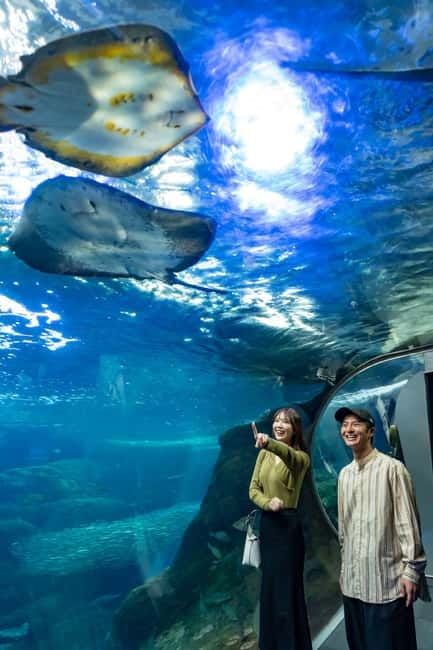
The Pacific comes indoors here. Enoshima Aquarium gives you a clear look at Sagami Bay, jellyfish, deep-sea creatures, and the ocean systems connecting them. I like the strong local focus and the easy mix of education, animal viewing, and seasonal programs. The main caution is timing: special events or private bookings can shorten the visit without much warning.
I also like how simple the visit is to arrange. The aquarium sits about three minutes from Katase Enoshima Station, admission is about $18 per person, and the ticket is good for one day. On the downside, busy periods may bring entry restrictions, and a one-day ticket is non-refundable, so check operating hours before you commit.
Key Points to Know Before You Go
- Sagami Bay comes first: The opening exhibits connect the aquarium to the waters just off the nearby coast.
- Jellyfish get special attention: Their displays offer a quieter, more soothing part of the visit.
- Deep-sea life adds variety: You will see animals from environments far removed from ordinary coastal waters.
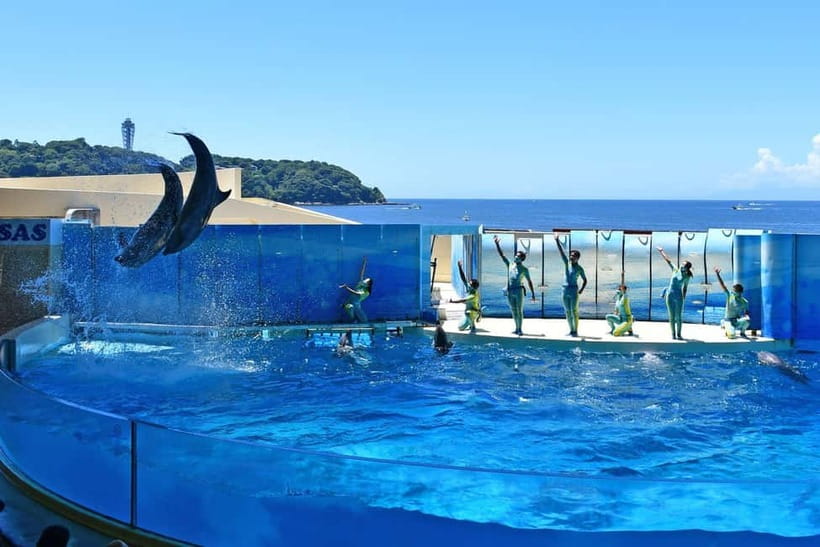
- Programs make the visit active: Explanations, shows, and interactive activities help turn an animal display into an ocean lesson.
- Seasonal events can change the visit: Temporary exhibits may add something new, but hours and access can shift around holidays or private events.
- The location is easy to reach: Three rail options serve the aquarium, with Katase Enoshima Station being the closest.
Why Enoshima Aquarium Works as a Coastal Japan Stop
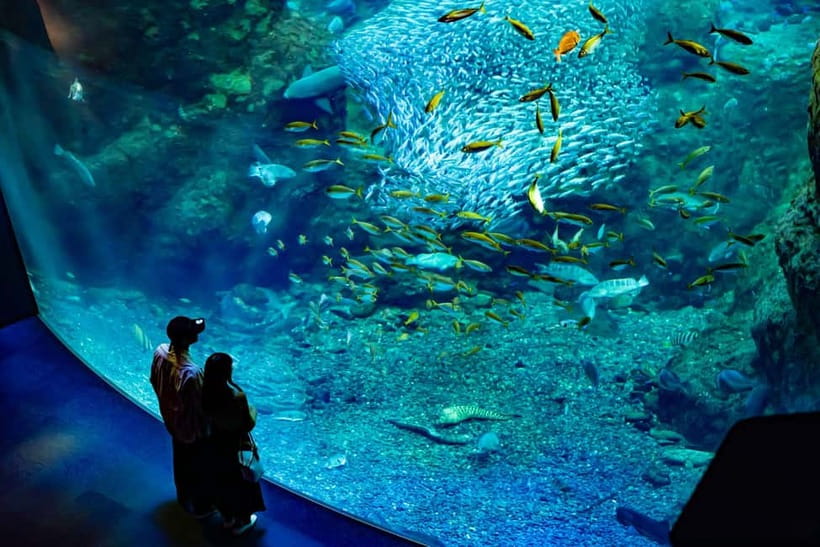
Enoshima Aquarium is not simply a room full of tanks. Its main idea is the relationship between Sagami Bay, the Pacific Ocean, and the many forms of life that depend on those waters.
That focus gives your visit a useful shape. You begin with a nearby marine setting, then move toward broader ocean themes, the deep sea, jellyfish, and other marine animals. The progression helps you understand that the water outside Enoshima is part of a much larger Pacific system.
I appreciate this local starting point. Many aquariums present marine life as a series of unrelated attractions. Here, the subject begins close to home. You can think about the coast you may have just traveled along, then see how local waters connect with areas far beyond Japan.
The tone is designed to balance learning with relaxation. Some displays explain ocean life in a direct, accessible way. Other areas are meant to create a quieter sense of wonder and calm, especially around the jellyfish exhibits. That makes the aquarium suitable for families, couples, solo visitors, and anyone wanting a slower indoor break from sightseeing.
More Aquarium Entry Tickets in Japan:
- Tokyo: Art Aquarium Museum GINZA Entry Ticket
★ 4.5 · 278 reviews - Tokyo: Sumida Aquarium Entry Ticket
★ 4.6 · 70 reviews - Tokyo: Sunshine Aquarium Entry Ticket
★ 4.6 · 55 reviews
Starting with Sagami Bay
The first major theme is Sagami Bay, the body of water closest to the aquarium. This is an important choice because it places the exhibits in a real setting rather than beginning with distant or exotic animals.
You can expect explanations about the bay and the creatures connected to it. The point is not just to identify animals, but to show how marine life fits into a functioning environment. That makes the first section useful for children who are learning basic ocean ideas and for adults who want a stronger sense of place during a visit to Enoshima.
The local angle also gives the aquarium a connection to the surrounding area. After exploring Enoshima and the nearby coast, you can better understand the waters shown inside. It is a small but worthwhile reminder that marine conservation is not only about faraway oceans.
Do not rush this opening section. It establishes the themes used throughout the aquarium. If you skip quickly to the most visually striking animals, you may miss the reason the exhibits are arranged as they are.
From Coastal Waters to the Pacific
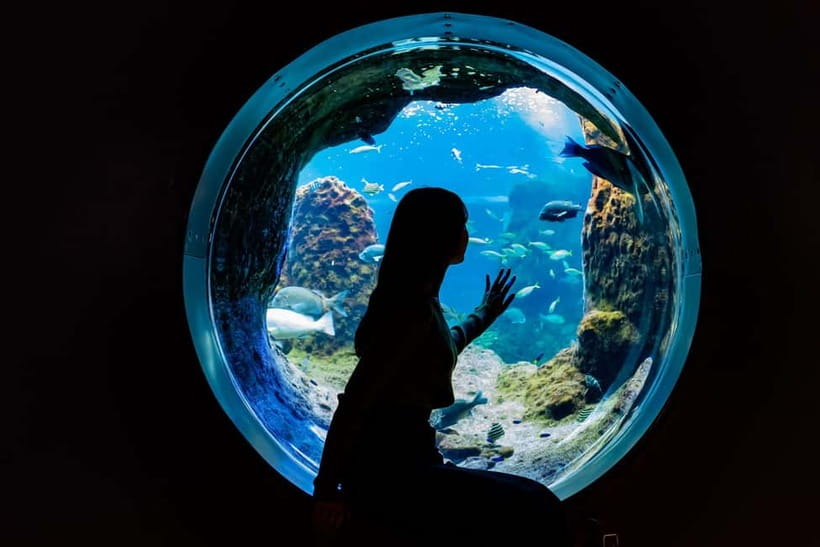
After Sagami Bay, the focus widens to the Pacific Ocean. This is where the aquarium’s idea of interconnected life becomes clearer.
The exhibits show that ocean environments are linked. Conditions in one part of the sea can relate to life in another, and animals that seem unrelated may share the same wider system. The aquarium uses displays and explanations to make that connection easier to understand without requiring a specialist background.
I find this approach more useful than a basic animal checklist. You are not only asking what an animal is. You are also encouraged to think about where it lives, what conditions it needs, and how it fits into the larger ocean.
The Pacific theme also gives the visit a broader reach. Sagami Bay provides the local reference point, while the Pacific supplies the bigger picture. Together, they make the aquarium feel tied to Japan’s geography and to global marine life at the same time.
Jellyfish, Deep-Sea Creatures, and Marine Variety
The jellyfish displays are likely to be one of the most memorable parts of your visit. Their slow movement and soft visual rhythm offer a change from the more information-heavy sections.
This is also the part of the aquarium that best fits its promise of healing. The jellyfish exhibits can provide a peaceful pause, especially if you have spent the day moving through busy streets or crowded attractions. You may find yourself lingering here longer than expected.
The deep-sea section adds a different mood. These animals come from places that are difficult for people to see directly, so the displays give you a look at marine life from an unfamiliar environment. The subject feels mysterious without needing theatrical treatment.
The aquarium also includes a range of other marine animals. The exact mix may vary with seasonal displays and temporary events, but the overall experience moves from local bay life to the deep sea, jellyfish, and wider ocean subjects.
That variety matters if you are visiting with children. A single type of exhibit can lose their attention. Here, calmer jellyfish displays sit alongside less familiar deep-sea creatures and broader explanations about the ocean.
A few more aquarium days around Japan worth a look
- Naha: North Okinawa Sightseeing Tour & Churaumi Aquarium
★ 4.4 · 472 reviews - Okinawa Churaumi or Tropical, Kouri American Village BusTour
★ 4.4 · 140 reviews - Okinawa: Churaumi Aquarium, Ryukyu Village & Manza Bus Tour
★ 4.5 · 118 reviews - Okinawa HIP-HOP BUS B – 1 Course Tour (Okinawa Churaumi Aquarium)
★ 5.0 · 66 reviews
Shows, Explanations, and Interactive Learning
Enoshima Aquarium includes explanations, shows, and programs that let you engage with marine creatures in more than one way. This gives the visit a stronger educational side than simply walking past glass tanks.
The word interactive can mean different things at different times, so you should not assume every program runs continuously. Programs may depend on the day, season, or current schedule. Still, these activities offer a useful change of pace when you want something more structured.
The explanations are intended to make ocean subjects approachable. You do not need a background in marine science to follow the main ideas. The aquarium presents the ocean as a connected system, then uses its animals and exhibits to make that idea easier to grasp.
For families, scheduled programs can help give the visit a rhythm. Rather than wandering without a plan, you can allow time for exhibits, a show or explanation, and a quieter look at the jellyfish displays.
For adults, the value is in the context. A well-presented explanation can help you notice details you might otherwise overlook. Instead of seeing a creature as an isolated attraction, you are given a reason to consider its environment and role.
Seasonal Displays and Temporary Events
The aquarium holds seasonal exhibits and temporary events, which means the experience can change during the year. This is useful if you return to Enoshima more than once, but it also means you should check current details before arriving.
Operating hours are listed as 9:00 a.m. to 5:00 p.m. from March through November. From December through February, opening begins at 10:00 a.m. Hours can change during spring holidays, summer holidays, the year-end and New Year period, and special events.
One important warning comes from a December 30, 2025 visit, when the aquarium closed early for a private event and the change was not shared in advance. That visitor rated the exhibits positively but had to leave before seeing everything. I would not ignore this detail. If the aquarium is a major part of your day, check the official schedule shortly before you go and avoid arriving late.
Temporary events can add appeal, but they can also affect crowd levels and access. Admission may be restricted when the aquarium is full. Visiting early is the sensible choice during school breaks and holiday periods.
How Much Time Should You Allow?
The ticket is valid for one day, so you do not need to rush through the building. The admission does not include a separate tour or transport, but it gives you access to the aquarium’s main exhibits and programs for that day.
Your ideal visit length depends on how closely you read explanations and how many scheduled activities you catch. A quick visit can cover the principal sections, while a slower visit gives you time for the Sagami Bay displays, Pacific themes, jellyfish, deep-sea life, and any seasonal program running that day.
I would treat the aquarium as a substantial stop rather than a quick photo break. Its themes make more sense when you allow time for the sections to build on one another.
A full day ticket also gives you flexibility. You can leave for a meal or other Enoshima sightseeing and return later the same day if the admission arrangement permits reentry under current rules. Since the provided information does not confirm reentry terms, check this point directly before planning around it.
Getting There from Three Rail Stations
The nearest access point is Katase Enoshima Station on the Odakyu Enoshima Line, about a three-minute walk away. This is the easiest option if your route uses that line.
Enoshima Station on the Enoshima Electric Railway is about a ten-minute walk. Shonan Enoshima Station on the Shonan Monorail Line is also about ten minutes away.
These short walking distances make the aquarium practical in poor weather or when you are traveling with children. They also make it easy to combine with other Enoshima-area sightseeing, though you should leave enough time for the aquarium itself.
The listed coordinates are 35.3100048, 139.479428. If you use a navigation app, search for Enoshima Aquarium rather than relying only on the coordinates.
Price, Access, and Practical Restrictions
At about $18 per person, admission is a fair value if you plan to spend several hours with the exhibits and programs. It is less appealing if you only want a brief look at a few animals, especially since the ticket cannot be refunded.
The aquarium is wheelchair accessible. This makes it a practical indoor choice for visitors who need step-free access, although the supplied information does not provide detailed route or facility specifics.
Disabled visitors receive half-price admission, as does one accompanying person for each disabled visitor. You must present the required certificate onsite. High school students must show a student ID.
Large or long luggage is not allowed inside. Paid coin lockers are available on the second floor, so store bulky belongings before entering the exhibit areas. This is especially useful if you arrive directly from a train station with bags.
Flash photography is prohibited in some exhibit areas. Tripods and selfie sticks may also be restricted during busy periods. Bring a camera, but be ready to put it away when signs or staff require it.
Who Will Enjoy It Most?
I would recommend Enoshima Aquarium to families who want an educational activity that does not feel like a classroom. The changing subjects, animal displays, and programs help keep the visit varied.
It also suits couples and solo visitors looking for a calm indoor stop near the coast. The jellyfish section, in particular, offers a gentler pace after a busy day.
The aquarium is a good choice for anyone interested in Japanese coastal geography and Pacific marine life. The Sagami Bay focus gives the experience a stronger local identity than a generic collection of international animals.
You may want to reconsider if your schedule is extremely tight, if you dislike indoor attractions, or if you are visiting during a peak holiday when admission could be restricted. Also check for private events, since an early closure can matter if you are counting on seeing every section.
Should You Book Enoshima Aquarium?
Book it if you want more than a quick animal display. The combination of Sagami Bay, Pacific Ocean themes, jellyfish, deep-sea creatures, educational programs, and seasonal events gives the aquarium enough substance to justify the $18 admission.
The best plan is to check the official hours on the day before your visit, arrive early during holidays, and avoid bringing large luggage. If your schedule allows only a short stop, the value is less certain. If you can give the aquarium a proper block of time, it is an easy-to-reach and worthwhile addition to an Enoshima day.
FAQ
Where is Enoshima Aquarium located?
It is in Honshu, Japan, at coordinates 35.3100048, 139.479428.
How close is the aquarium to Katase Enoshima Station?
It is about a three-minute walk from Katase Enoshima Station on the Odakyu Enoshima Line.
How far is it from Enoshima Station?
Enoshima Station on the Enoshima Electric Railway is about a ten-minute walk away.
How far is it from Shonan Enoshima Station?
Shonan Enoshima Station on the Shonan Monorail Line is about a ten-minute walk from the aquarium.
What are the opening hours?
From March through November, the listed hours are 9:00 a.m. to 5:00 p.m. From December through February, the listed hours are 10:00 a.m. to 5:00 p.m.
Is Enoshima Aquarium open every day?
The aquarium is listed as open daily, but hours may change during holidays, the year-end and New Year period, and special events.
Is the aquarium wheelchair accessible?
Yes. The activity is listed as wheelchair accessible.
Can I bring large luggage inside?
No. Large or long luggage is not allowed inside. Paid coin lockers are available on the second floor.
Just added around Japan
- Tokyo Sumida Aquarium E-Ticket with Optional Tokyo Metro Pass★ 4.5 · 8 reviews
- Kagoshima Aquarium Admission Ticket★ 3.0 · 4 reviews
- Kujukushima: Aquarium Umikirara Admission Ticket★ 4.4 · 2 reviews
- Kyoto Aquarium Admission Ticket★ 4.7 · 12 reviews
- Okinawa: Bus Tour to Churaumi Aquarium with Sightseeing★ 4.3 · 20 reviews
- Okinawa Full Tour: Castle, Manza, Kouri, Aquarium & American★ 5.0 · 17 reviews
- Tokyo Art Aquarium Museum E-Ticket with optional Tokyo Metro Pass★ 5.0 · 17 reviews
- Okinawa Miyako Natural Aquarium! Tropical Snorkeling Tour★ 5.0 · 15 reviews
Japan Aquariums, compared.
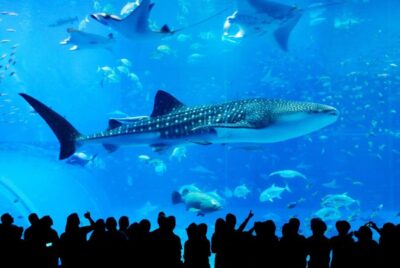
Naha: North Okinawa Sightseeing Tour & Churaumi Aquarium
Read our review →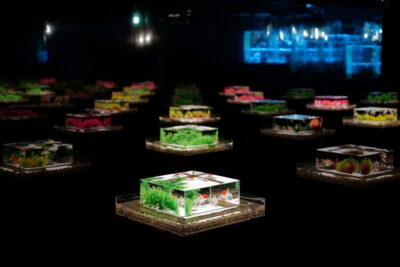
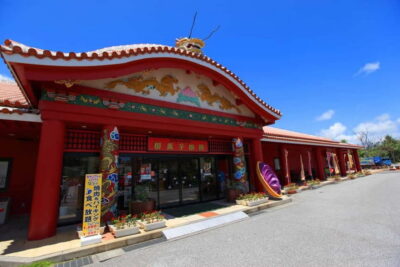
Okinawa Churaumi or Tropical, Kouri American Village BusTour
Read our review →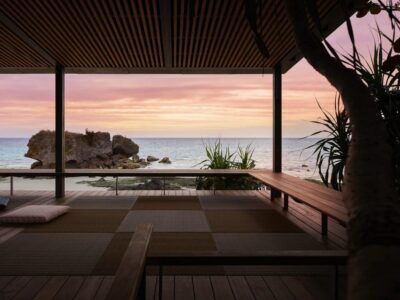
Okinawa: Churaumi Aquarium, Ryukyu Village & Manza Bus Tour
Read our review →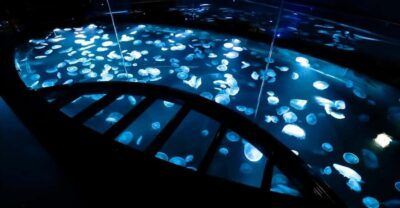
Okinawa HIP-HOP BUS B – 1 Course Tour (Okinawa Churaumi Aquarium)
Read our review →
<1Dya Tour>Churaumi Aquarium, Cape Manzamo, American Village
Read our review →Browse the lists this tour appears in