
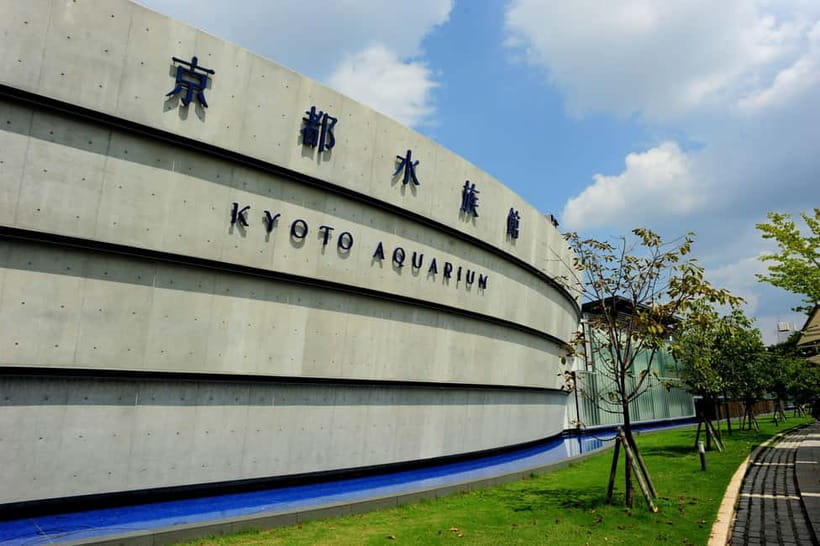
Review · JAPAN AQUARIUMS
Kyoto Aquarium Admission Ticket
Small aquarium, big variety. Kyoto Aquarium gives you a calm break from temple crowds, with dolphins, penguins, jellyfish, seals, and rare giant salamanders all under one roof. I especially like the well-presented jellyfish displays and the chance to see Japan’s giant salamanders up close. The recreated satoyama setting also gives the visit a local Kyoto flavor rather than making it feel like a generic aquarium.
The $16 admission is fair if you plan to stay several hours. A short visit may feel less worthwhile, and the aquarium does not allow re-entry once you leave. The dolphin performances are a major draw, but exact show times are not provided here, so check availability before you plan your day.
Key points to know before you go
- Jellyfish and seals are major highlights: The displays are polished, peaceful, and easy to enjoy at your own pace.
- Kyoto’s giant salamanders take center stage: This is a rare chance to see an ancient Japanese species in a dedicated exhibit.
- Dolphin performances add energy: Their agility and intelligence provide the liveliest part of the visit.
- Penguins have individual personalities: Spend time watching them rather than simply checking them off your list.
- Satoyama connects the aquarium to Kyoto: The recreated rural setting explains how people, water, plants, and animals can share one environment.
- Plan for a longer stay: What sounds like a two-hour stop may stretch into several hours, especially if you enjoy the jellyfish rooms and seals.
A calm change of pace in Umekoji Park

Kyoto Aquarium sits in Umekoji Park, surrounded by lawns and wooded greenery. That setting matters. After busy streets, crowded shrines, and long temple visits, you can slow down here without leaving the city.
The aquarium focuses on coexistence. Kyoto’s water is part of that story, and the exhibits connect aquatic animals with the wider natural world. You are not simply moving from tank to tank. The visit asks you to notice how creatures live, adapt, and share their surroundings.
I like this approach because it gives the aquarium a clear sense of place. The satoyama section, in particular, helps tie the experience to rural Japan. Satoyama refers to the traditional countryside where people, farmland, forests, streams, and wildlife exist together. Here, that idea becomes a visual and educational part of your route.
The setting also makes this a useful choice for a mixed-age group. Children have animals and movement to keep them interested, while adults can spend more time with the displays and the conservation message.
More Aquarium Entry Tickets in Japan:
- Tokyo: Art Aquarium Museum GINZA Entry Ticket
★ 4.5 · 278 reviews - Tokyo: Sumida Aquarium Entry Ticket
★ 4.6 · 70 reviews - Tokyo: Sunshine Aquarium Entry Ticket
★ 4.6 · 55 reviews
What your one-day admission includes
Your ticket covers admission to Kyoto Aquarium for one day. The listed price is $16 per person, which is a reasonable amount if you allow enough time to see the major exhibits rather than rushing through.
This is not a guided tour with a fixed group or a set walking route. You can move through the aquarium at your own speed, pause at exhibits that catch your attention, and spend extra time at the animals you care about most. The ticket gives you access to the aquarium itself, including the dolphin area, penguin exhibits, giant salamander display, jellyfish rooms, seals, and satoyama presentation.
The value improves with a slower visit. If you only want a quick look at a few tanks, the cost may feel less convincing. If you enjoy watching animal behavior, reading displays, taking photos, and returning to a favorite exhibit during the same visit, $16 is easier to justify.
There is no re-entry, so treat the ticket as a single continuous visit. You cannot leave for lunch and come back in on the same admission. That makes it sensible to plan your aquarium time around the rest of your Kyoto day.
Starting with the marine displays
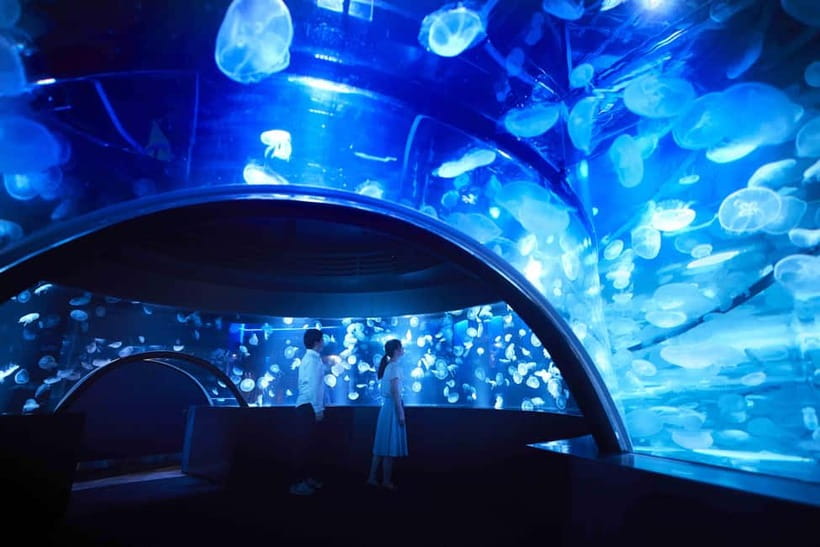
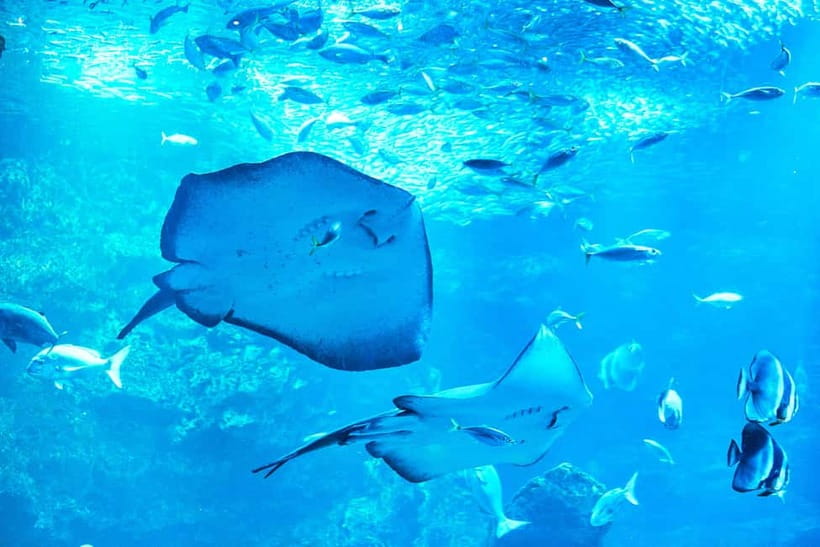
The aquarium gives you plenty of variety early in the experience. Jellyfish are one of the most memorable parts, and the displays have a quiet, almost hypnotic quality. Their slow movement and soft lighting provide a welcome contrast to the louder dolphin area.
I would not rush through these rooms. Jellyfish can look simple at first, but their movement changes constantly. You may find yourself staying longer than expected, especially if you are taking photographs or traveling with children who enjoy watching the shapes drift through the water.
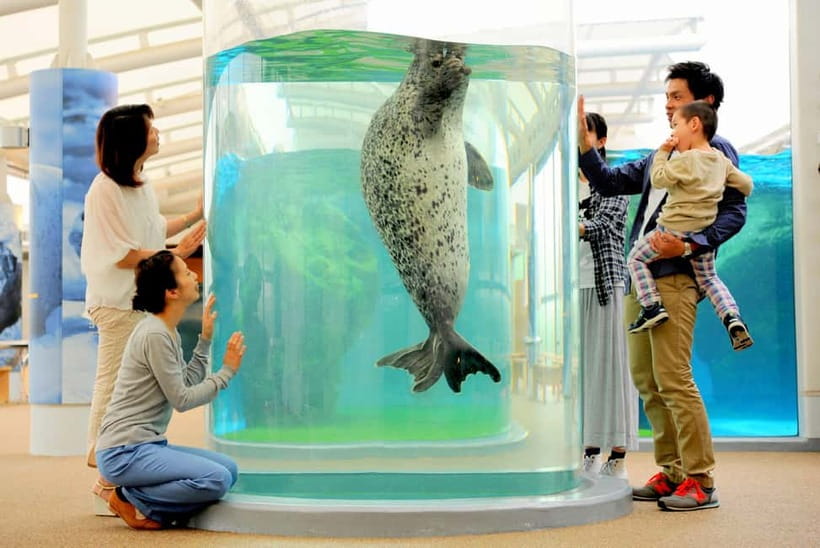
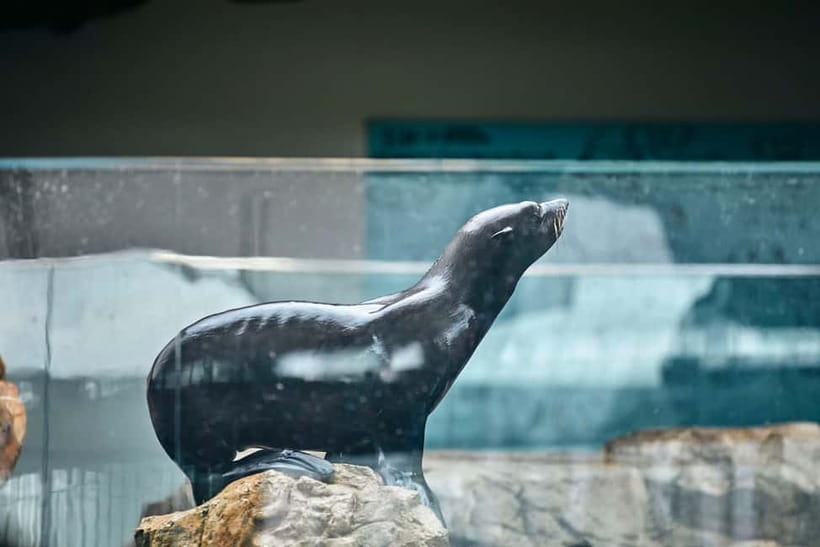
Seals add another change of pace. Their movement is more playful and direct, so they provide a nice counterpoint to the jellyfish. The seal exhibit was one of the strongest favorites in the available feedback, and it is easy to see why. Seals are active enough to hold attention, but the area still fits the aquarium’s generally calm mood.
Photography is allowed inside the building. You must turn off your flash, since flash photography can harm or disturb the animals. This is a small rule, but it is worth remembering before you arrive with a camera or phone ready for quick shots.
Dolphin performances bring the energy
The dolphin area is likely to be the most animated part of the aquarium. The performances highlight the animals’ agility and intelligence, giving you a chance to see speed, coordination, and trained behavior rather than only watching them swim past a viewing window.
This section works well for families and for anyone who wants a more active show during the visit. It also breaks up the quieter displays. After spending time with jellyfish, salamanders, or the satoyama setting, the dolphins provide a burst of movement.
You should check the available starting times before setting your schedule. The ticket information confirms that the activity has starting times to check, but it does not provide a dolphin show timetable. Do not build your entire day around a performance until you confirm when it takes place.
The main consideration is simple: performances attract attention, so this may be the busiest-feeling part of your aquarium visit. If you prefer quiet observation, enjoy the dolphins but give yourself time elsewhere too. The aquarium is broader than its headline show.
A few more aquarium days around Japan worth a look
- Naha: North Okinawa Sightseeing Tour & Churaumi Aquarium
★ 4.4 · 472 reviews - Okinawa Churaumi or Tropical, Kouri American Village BusTour
★ 4.4 · 140 reviews - Okinawa: Churaumi Aquarium, Ryukyu Village & Manza Bus Tour
★ 4.5 · 118 reviews - Okinawa HIP-HOP BUS B – 1 Course Tour (Okinawa Churaumi Aquarium)
★ 5.0 · 66 reviews
Penguins with distinct personalities
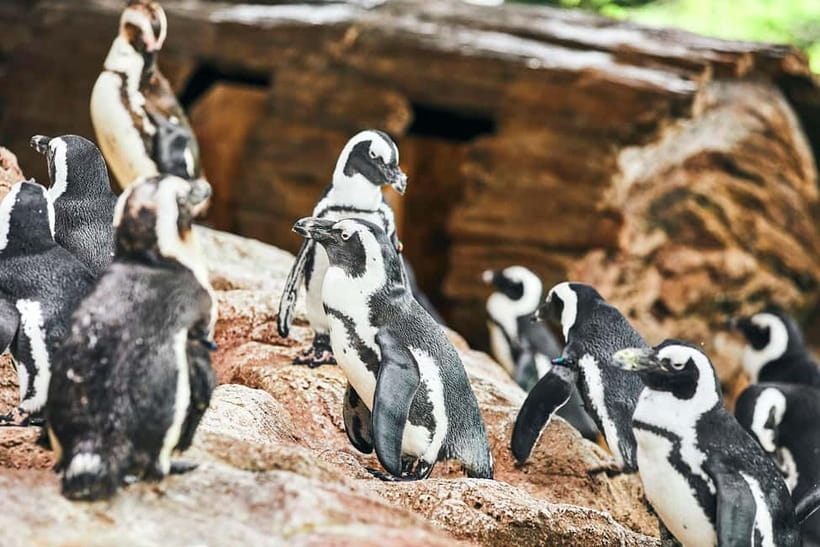
The penguin exhibit is not only about seeing a popular animal. The point is to watch how each penguin behaves. Some may be more active, curious, or social than others, and the aquarium encourages you to notice those differences.
That makes the exhibit better for patient observers than for people rushing from one attraction to the next. You can watch a penguin’s body language, movement, and interactions instead of treating the display as a single photo stop.
The chance to observe and interact with penguins is one of the aquarium’s family-friendly strengths. I would give this area more time than you think it needs. Young children often connect quickly with penguins, while adults may enjoy the small details that become visible when you stop and watch.
If you have questions about the animals, speak with a breeding staff member when one is available. The staff are described as passionate about the creatures in their care and willing to share information. That personal contact can add meaning to an exhibit that might otherwise seem familiar.
Japan’s giant salamanders deserve extra attention
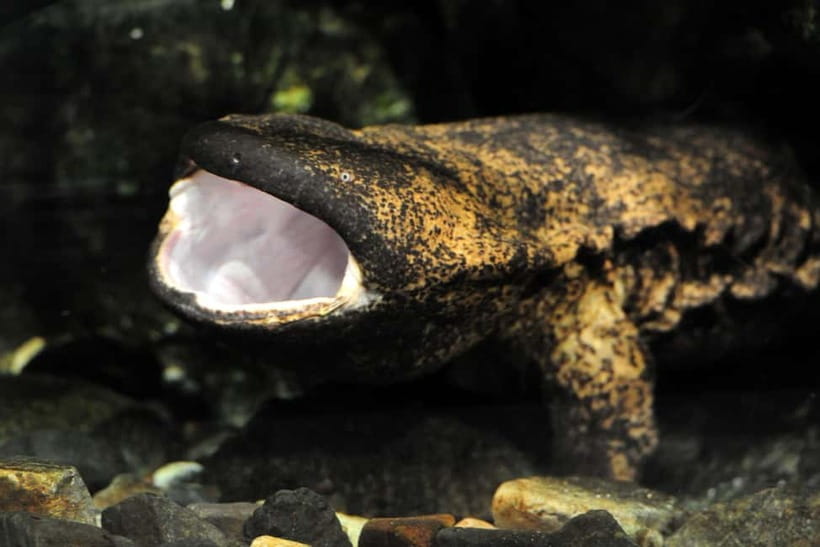
Kyoto Aquarium’s giant salamander exhibit is its most distinctive feature. These animals are ancient and rare, and the dedicated display gives them more attention than they usually receive in a general aquarium.
You may find the salamanders less immediately exciting than dolphins or penguins. They are not built for quick thrills. Their value comes from observing an unusual species and considering the waterways that support it.
The giant salamander also fits the aquarium’s wider message about Kyoto’s water. This is not just an exotic animal placed in a tank. It represents a native creature connected to Japan’s rivers and freshwater environment.
For animal lovers, this may become the quiet highlight of the visit. The exhibit has also earned strong praise from people who specifically appreciate seeing both Japanese and large salamanders. If you have never seen one, allow yourself time to look closely.
The satoyama area gives the visit a Kyoto identity
The recreated satoyama setting is where the aquarium’s ideas come together. Instead of focusing only on individual animals, it shows a traditional Japanese rural environment shaped by water, forests, fields, and human activity.
I find this valuable because it broadens the visit. You are encouraged to think about habitats rather than isolated creatures. The exhibit also gives you a better sense of why water is central to Kyoto’s natural character.
Do not expect a full rural excursion. This is a reproduction inside the aquarium, not a walk through the countryside. Its purpose is educational and atmospheric. It helps explain the connection between people and nature without taking you far from the main animal exhibits.
This section may appeal most to adults and older children who enjoy context. Younger children may move quickly toward the animals, but the satoyama area gives you a chance to slow the pace and talk about how communities use and protect natural resources.
How long should you plan to stay?
The official duration is one day of validity, not a promise that you need a full day inside. In practical terms, plan for several hours if you want to enjoy the aquarium properly.
A quick visit can cover the main sections, but it may leave you feeling that you only sampled the place. The jellyfish displays, seals, penguins, and salamanders reward a slower pace, and the dolphin performance can add a fixed time to your route.
A useful plan is to allow enough time for three types of viewing:
- Quiet observation at jellyfish, seals, and salamanders
- Active exhibits such as dolphins and penguins
- The satoyama section and staff conversations
The aquarium is suitable for a relaxed visit rather than a timed race. You do not need to follow a guide or keep up with a group. That flexibility is one of the ticket’s better features.
Price, comfort, and practical limits
At $16 per person, the admission is not a major splurge for Kyoto. The price feels strongest when you treat the aquarium as a half-day activity, especially if you enjoy animal behavior and photography.
Wheelchair access is available, which makes the aquarium practical for many visitors with mobility needs. The information provided does not detail every route or facility, so you may still want to confirm specific accessibility needs before visiting.
Pets cannot enter the building. Assistance dogs, including guide dogs, may accompany their handlers.
You can take photos and video, but flash is not permitted inside because of biological protection. This rule protects the animals and should be easy to follow with a phone or camera’s flash switched off.
The activity is non-refundable, so check your plans before purchasing. Since re-entry is not possible, bring what you need for the visit and do not count on stepping outside and returning later.
Who will enjoy Kyoto Aquarium most?
I would recommend this experience to families, animal lovers, photographers, and anyone who wants a gentler break from Kyoto’s temples and shopping streets. The mix of large animals, small creatures, native species, and natural settings gives different age groups something to enjoy.
It is especially good for people who like to watch rather than rush. The penguins, jellyfish, seals, and salamanders reward patience. The dolphin performance adds a more energetic feature for those who prefer action.
You may enjoy it less if you want a very large aquarium with endless galleries or a tightly scheduled educational tour. The $16 price is fair, but the value depends on giving the exhibits time. If you only have a few minutes between other plans, this may not be the best use of your admission.
Should you book Kyoto Aquarium?
Book it if you want a calm, well-presented animal experience with a clear Kyoto connection. The strongest reasons are the jellyfish displays, seals, giant salamanders, and satoyama setting, with dolphins and penguins adding movement and family appeal.
I would reserve enough time for several hours, check the performance schedule, and plan to stay inside for the full visit since there is no re-entry. At $16, it is a sensible choice for a flexible day in Kyoto, especially when you want something peaceful, accessible, and different from another temple stop.
FAQ
Where is Kyoto Aquarium located?
Kyoto Aquarium is located in Umekoji Park on Honshu, Japan.
How much does admission cost?
The admission price is $16 per person.
How long is the ticket valid?
The ticket is valid for one day. Check availability for the available starting times.
What does the ticket include?
The ticket includes admission to Kyoto Aquarium.
Is Kyoto Aquarium wheelchair accessible?
Yes. The activity is listed as wheelchair accessible.
Can I bring a pet inside?
Pets are not allowed inside the building. Assistance dogs, such as guide dogs, may accompany their handlers.
Can I take photos and return later?
Photography and video are allowed, but flash photography should not be used inside the building. Re-entry is not possible after you leave.
Just added around Japan
- Okinawa: Bus Tour to Churaumi Aquarium with Sightseeing★ 4.3 · 20 reviews
- Okinawa Full Tour: Castle, Manza, Kouri, Aquarium & American★ 5.0 · 17 reviews
- Tokyo Art Aquarium Museum E-Ticket with optional Tokyo Metro Pass★ 5.0 · 17 reviews
- Okinawa Miyako Natural Aquarium! Tropical Snorkeling Tour★ 5.0 · 15 reviews
- Explore Okinawa (Naha, Churaumi Aquarium) using Private Hiace Van★ 4.0 · 10 reviews
- Enoshima Aquarium: Admission Ticket★ 4.4 · 14 reviews
- Tokyo: Sunshine Aquarium Entry Ticket★ 4.6 · 55 reviews
- <1Dya Tour>Churaumi Aquarium, Cape Manzamo, American Village★ 4.1 · 20 reviews
Japan Aquariums, compared.
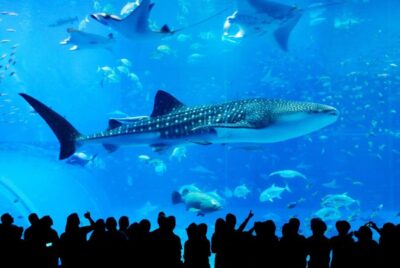
Naha: North Okinawa Sightseeing Tour & Churaumi Aquarium
Read our review →
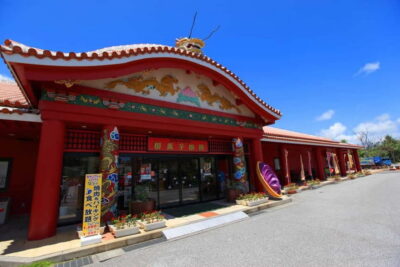
Okinawa Churaumi or Tropical, Kouri American Village BusTour
Read our review →
Okinawa: Churaumi Aquarium, Ryukyu Village & Manza Bus Tour
Read our review →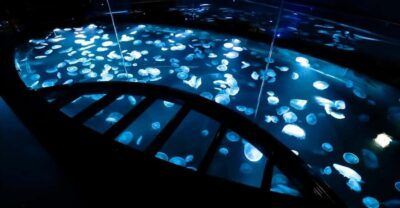

Okinawa HIP-HOP BUS B – 1 Course Tour (Okinawa Churaumi Aquarium)
Read our review →

<1Dya Tour>Churaumi Aquarium, Cape Manzamo, American Village
Read our review →Browse the lists this tour appears in